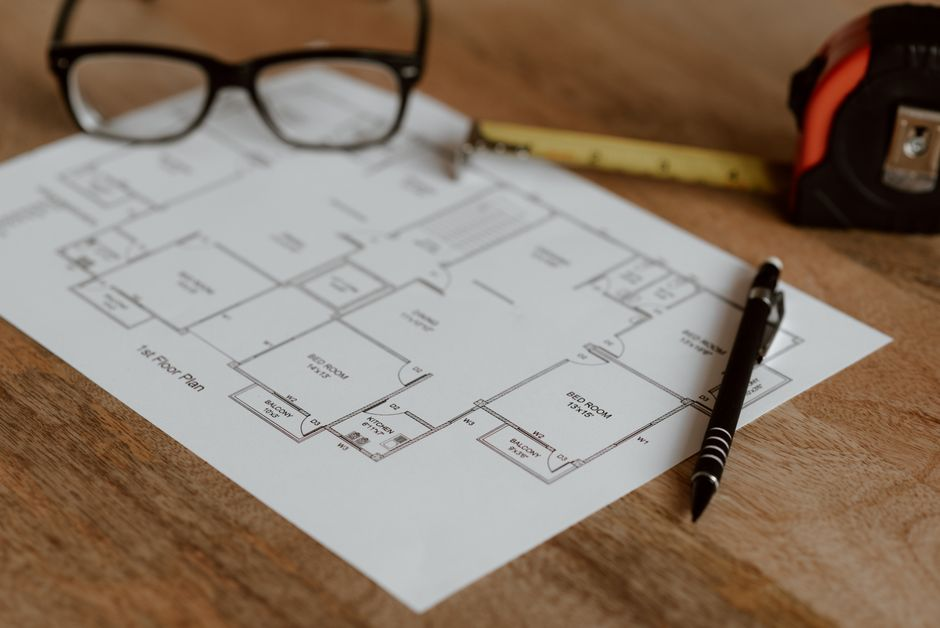
The plans look polished. The elevations are clean, the layout finally feels like your house could become the home you have been picturing, and someone across the table says, almost casually, that the numbers can be tightened later. That is the moment we want homeowners to slow down. Drawings can feel real long before permitting, finish expectations, site conditions, and construction responsibility have been translated into a dependable path.
When we talk with homeowners about custom-home projects in Orange County, we keep coming back to three commitment thresholds: before you approve plans, before you trust pricing, and before you sign the contract. Those are the points where excitement can outrun clarity. If the right questions are not answered early, the project often gets more expensive, slower, and harder to untangle once permits, selections, and field conditions enter the picture.
Want a second opinion before you approve plans or trust a budget?
OC Builders Group helps homeowners evaluate drawings, pricing assumptions, permit responsibility, and finish-level alignment before costly commitments are made. If you want clarity on whether your project is truly ready, our team can help.
Orange County custom homes are rarely simple on-paper exercises. Permitting can be exacting. HOA review or neighborhood expectations may shape massing, materials, setbacks, privacy, and exterior details. Finish standards are often high, which means vague assumptions about cabinetry, windows, stone, appliances, tile, and millwork can create a wide gap between an attractive early number and the real cost of building what you actually want.
There is also the disruption factor. Some homeowners are building new; others are transforming a house they still occupy or plan to move into quickly. In markets like Newport Coast, Irvine, and nearby communities where schedule control, communication, and craftsmanship matter as much as price, coordination failures are not small inconveniences. They can mean redesign, permit delays, avoidable change orders, and months of frustration. That is why we believe the smartest comparison is not just between personalities or first impressions. It is between processes.
Beautiful plans are not the same thing as build-ready plans. Before approving drawings, we think homeowners should press on whether the design has been checked against budget, code, engineering needs, site constraints, and the level of finish the home is supposed to carry. If a builder or design team speaks about plans as though pricing and constructability will sort themselves out later, that is usually a warning sign, not flexibility.
A strong conversation at this stage should answer practical questions. How complete are the drawings? What assumptions have already been made about structural work, mechanical systems, window and door packages, insulation, drainage, and energy-code requirements? Has the builder identified likely permit issues or planning constraints? If the home sits on a slope, in a tighter infill condition, or in a neighborhood with design review sensitivity, has that complexity already been accounted for?

We also encourage homeowners to ask how finish expectations are being translated into the design. A floor plan can technically work while still carrying hidden cost exposure if the intended standard of cabinetry, built-ins, tile layout, lighting, or glazing has not been discussed with discipline. One of the most common disconnects we see is a plan that reflects a high-end lifestyle target while the budget assumptions underneath it still belong to a much simpler house.
Another key question is whether the builder is budgeting alongside design or waiting until after the design feels emotionally approved. The later cost feedback arrives, the more painful revisions become. An integrated design-build process helps here because the same team can pressure-test layout decisions, material direction, permit implications, and construction methods before the homeowner gets too attached to choices that may need to change.
Before you trust pricing, find out what kind of number you are actually looking at
Many problems begin with a number that sounds firmer than it is. Homeowners hear a price and naturally treat it as a planning tool, but not every price carries the same level of confidence. We like to separate three stages clearly: an estimate, a working budget, and a contract-ready proposal.
An estimate is early and directional. It can be useful, but it is not proof that the scope has been fully translated into cost. A working budget is more disciplined; it should reflect a clearer understanding of drawings, specifications, likely site work, and finish level, even if some choices remain open. A contract-ready proposal is the most reliable stage, because scope, assumptions, inclusions, exclusions, and allowances should be defined tightly enough for real accountability.
That distinction matters because some pricing is used as a sales tool rather than a planning tool. If a builder cannot explain what documents the number is based on, what has not yet been selected, which allowances are carrying uncertainty, or which scopes are excluded, then the homeowner is not comparing certainty. They are comparing optimism.
Allowances deserve especially careful attention. An allowance is a placeholder amount for something not fully selected or specified yet, such as plumbing fixtures, appliances, tile, or lighting. Allowances are not automatically bad. They become dangerous when they are unrealistically low, too numerous, or disconnected from the quality level shown in the design conversation. A low early number can be built on allowances that almost guarantee later increases.
We advise homeowners to ask where the biggest pricing unknowns still sit. Is site work fully understood? Are utility upgrades included? Has the builder carried realistic costs for windows, cabinetry, waterproofing, HVAC capacity, and finish carpentry? What assumptions were made about access, staging, demolition, temporary protection, and occupied-home conditions if the property will not be vacant? The goal is not to force false precision too early. The goal is to make uncertainty visible before it becomes your problem.
The questions that reveal discipline fast
- How has this design been checked against budget?
Strong answer: the builder explains when cost feedback happened, what assumptions were used, and what revisions were made to keep the project aligned.
Weak answer: “We will value-engineer it later” or “We can sort that out once you approve the plans.” - What is still unresolved in the drawings?
Strong answer: clear discussion of pending engineering, selections, site verification, and permit-related items.
Weak answer: vague reassurance that the plans are “basically done.” - What does this price represent: estimate, budget, or proposal?
Strong answer: the builder defines the confidence level and the documents behind the number.
Weak answer: one headline figure with no explanation of basis or limitations. - Which allowances are carrying the most risk?
Strong answer: specific line items, realistic ranges, and explanation of how allowance overruns are managed.
Weak answer: “Those are standard” without connecting them to your finish expectations. - What is excluded right now?
Strong answer: exclusions are stated plainly so you can judge what may still affect cost.
Weak answer: exclusions are buried, minimized, or treated as unimportant. - Who owns permits, coordination, and schedule control?
Strong answer: one accountable team explains exactly how permitting, subcontractors, and timelines are managed.
Weak answer: responsibility sounds fragmented or dependent on others stepping in later.

Before you sign the contract, get precise about accountability
By contract stage, the right builder should be able to describe not just what will be built, but how responsibility will be handled when real-world complications appear. Because they will. Drawings evolve. Existing conditions differ from assumptions. Selections change. Agencies ask for revisions. Materials lead times shift. A good contract does not pretend those possibilities do not exist; it explains how they are managed.
Start with scope. Is the work described in enough detail that both sides would interpret it the same way six months from now? Then move to permits. Who is preparing submittals, responding to corrections, and coordinating revisions if the city or HOA asks for changes? If design intent and field conditions clash, who leads the resolution and how is cost communicated before work proceeds?
Change-order procedure is another major test. We believe homeowners should expect a written process: what triggers a change order, when pricing is presented, whether approval is required before work continues, and how schedule impact is documented. “We will handle it as we go” may sound easy in conversation, but it often becomes expensive in practice.
Ask about schedule in practical terms, not just finish-date promises. What milestones are being tracked? How are long-lead materials managed? Who communicates updates? What happens if permit timing, selections, or owner decisions affect sequencing? For many discerning homeowners, communication cadence matters almost as much as craftsmanship. Knowing when you will hear from the team, who your point of contact is, and how issues are escalated reduces stress throughout construction.
Payment structure should also align with visible progress and defined scope, not confusion. A disciplined builder can explain deposits, progress payments, allowance reconciliations, and how unforeseen conditions are documented. Contract clarity is where process maturity shows itself. This is one reason many homeowners looking at custom home builders in Orange County ultimately feel safer with a true design-build team: fewer handoffs, fewer gray areas, and fewer opportunities for one party to blame another when a decision made on paper becomes complicated in the field.
What vague answers look like once the project is underway
Consider a simple example. A homeowner receives a promising early number, but cabinetry and windows are both carried as broad allowances without much discussion. The plans get approved, the family gets emotionally invested, and only later do they discover the allowance level does not support the look and performance assumed from the beginning. Now the project either gets more expensive or the design intent gets diluted after months of momentum.
In another case, permit responsibility sounds shared but never truly assigned. The designer expects the builder to address corrections; the builder expects revised drawings from the design side; the owner becomes the go-between. What looked like a small coordination gap turns into delay, frustration, and finger-pointing.
We have also seen soft estimates mistaken for real budgets. The homeowner compares them to more disciplined numbers and assumes the lower figure represents efficiency, when in reality it reflects missing scope, light assumptions, or exclusions that have not been discussed yet. The cheapest first impression can become the costliest path once the project is too far along to restart comfortably.
This is why we keep returning to the same idea: the safer builder is usually not the one who makes uncertainty feel small. It is the one who identifies uncertainty early, explains it clearly, and resolves as much of it as possible before construction begins. That is the value of a coordinated preconstruction process with design, permitting, pricing, and buildability under one roof.
FAQ
What is an allowance in a building proposal?
An allowance is a placeholder amount for an item that has not been fully selected or specified yet. It is common for fixtures, finishes, appliances, or similar categories. The issue is not the existence of an allowance; it is whether the amount is realistic for the level of home you are actually planning.
Who should handle permits on a custom-home project?
What matters most is clear ownership. In our view, homeowners are best protected when one coordinated team manages permit preparation, submittals, responses, and related revisions rather than leaving the owner to bridge communication gaps between separate parties.
Are change orders always a red flag?
No. Some change orders are legitimate because owners make new choices or concealed conditions are discovered. The red flag is a weak process: unclear scope, surprise pricing, verbal approvals, or repeated changes caused by issues that should have been identified during preconstruction.
Does design-build reduce accountability gaps or just move them?
If the design-build team is disciplined, it reduces accountability gaps because design, pricing, permitting, and construction are coordinated within one managed process. That does not eliminate every challenge, but it makes responsibility clearer and handoff failures less likely.
What should I compare when speaking with builders?
Compare how each team handles preconstruction discipline: plan completeness, budgeting method, allowance realism, exclusions, permit ownership, change-order procedure, schedule communication, and subcontractor coordination. That comparison usually tells you more than a polished pitch or an early low number ever will.
Planning a custom home in Orange County?
Before you commit to a builder, speak with a team that handles design, budgeting, permitting, and construction under one roof. OC Builders Group helps homeowners move forward with clearer scope, stronger accountability, and fewer surprises.