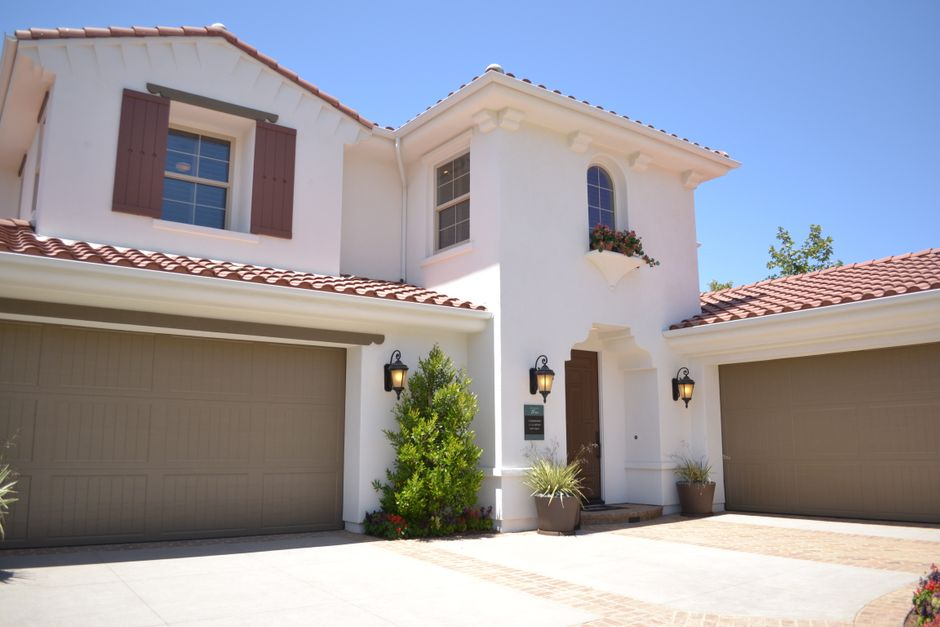
The garage is packed with holiday bins, old sports gear, and the things that never quite found a place inside the house. A laptop is open on the kitchen counter for another video call, a parent may need to live closer in the next year or two, and a grown child keeps hinting that home might be temporary again. In that moment, one underused garage seems capable of solving several different problems at once. The catch is that those problems do not all call for the same build, and choosing the wrong direction first can cost real money later.
In Orange County, we see garage conversions come up less as a style project and more as a stay-in-place strategy. Homeowners often love their neighborhood, schools, views, or proximity to work, but the house no longer fits the way life actually works. That is why the smartest garage conversion idea usually has less to do with finishes and more to do with function. Before anyone gets attached to layouts or cabinetry, the better question is simple: what does this space need to do every day?
Not sure which garage conversion path fits your home?
Before you commit to plans, get clarity on whether your garage should stay a lighter office or guest-space conversion, or be designed from the start as a family suite or ADU. OC Builders Group helps Orange County homeowners weigh privacy, functionality, future flexibility, and permitting realities early.
Most garage conversions fall on a ladder of independence. At the lighter end, the space becomes a conditioned office or studio. Then it might step up to a comfortable guest suite. Farther along, it can become a multigenerational living space for family who need more privacy and day-to-day dignity. At the most independent end, it becomes a legal rental ADU designed to function as a true small dwelling. Those are very different paths, even when they start with the same slab and garage door opening.
If the main pain point is work, focus, and separation from household noise, a simpler office conversion may be the right answer. If the need is occasional hosting for relatives or friends, a guest-oriented setup may do the job without the full commitment of a dwelling unit. If an aging parent or adult child needs to live there comfortably, the project starts demanding more privacy, better amenities, and a plan for everyday independence. And if the goal is rental income or a truly self-contained living space, the project needs to be approached as an ADU-level decision from the beginning.
That distinction matters because overbuilding can be as costly as underbuilding. We have seen homeowners chase a full ADU concept when all they really needed was a quiet, finished workspace and a powder bath. We have also seen the opposite problem: a family tries to save money with a basic room conversion, then realizes six months later that the space does not support a parent, returning adult child, or future tenant with enough privacy or function to work well.
Orange County adds another layer to the decision. Parking loss, storage replacement, neighborhood expectations, and local review paths can all affect the right scope. And because incorporated cities and unincorporated county areas may follow different local processes, it is worth clarifying the intended use before anyone assumes the permit path will be simple.
The office or studio
This is the lowest-commitment option and often the fastest way to reclaim value from an underused garage. It makes sense when the household needs separation for remote work, creative work, fitness, or a flexible bonus room, but does not need the space to act like a complete residence. Privacy still matters here, but it is usually about sound control, heating and cooling, lighting, and visual separation from the main house rather than full independence.
An office conversion can be a smart move when the family wants usable square footage without taking on the cost and complexity of a kitchen, full bath, or ADU-level infrastructure. It can also be the right phased first step if the long-term goal is still evolving. But this path has limits. If the room will eventually need sleeping, bathing, cooking, or separate daily living, a simple office build can become an expensive halfway measure unless it is planned with future flexibility in mind.
The guest suite
A guest suite sits in the middle ground. It works well for households that host family frequently, want a more comfortable place for visitors, or need occasional overflow space that feels calmer and more private than a sofa bed or spare bedroom in the main house. It may include a bathroom and a stronger sense of retreat, but it does not always need the full independence of a rental-ready unit.
The challenge with guest suites is that they can drift into gray areas if the design starts functioning like a true separate dwelling. Once you move toward regular sleeping, bathing, food prep, private access, and ongoing occupancy, the code path and design requirements may change. That does not make the project a bad idea. It simply means the household needs to be honest about whether the suite is truly occasional hospitality or an almost-ADU being described more lightly.
The multigenerational suite
When a parent, in-law, or adult child will live in the space as part of everyday life, the emotional and practical stakes rise. A multigenerational suite needs more than extra square footage. It needs dignity, quiet, safety, and enough separation that everyone can maintain routines without feeling stacked on top of one another. In our experience, this is where privacy becomes the deciding factor more often than budget alone.
That usually means thinking carefully about bathroom access, entrance placement, sound separation, storage, and whether the person living there needs some form of independent food prep. A family suite does not always need to be a rental ADU, but it often needs more intentional planning than homeowners expect. The project should support daily living, not just fit a bed and dresser into a converted shell.
The rental ADU
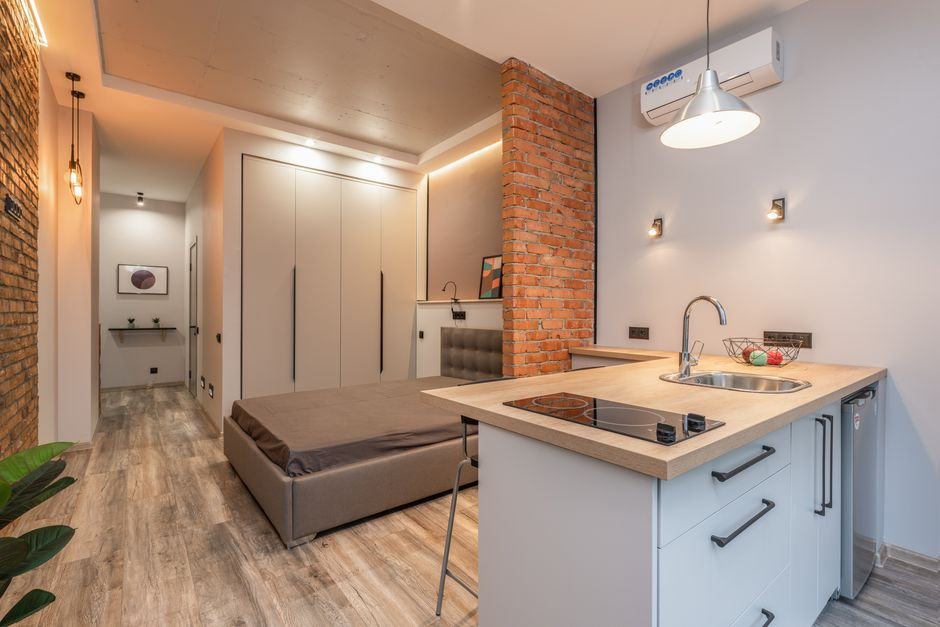
This is the highest-independence option and the one that most clearly needs full planning from day one. A rental ADU is not just a finished room behind the main house. It needs to function as a real dwelling, with the layout, amenities, safety considerations, and permitting approach that come with that role. If the goal is long-term rental income, guest independence, or maximum flexibility for future use, this path can create strong value, but it also asks the most of the property and the planning process.
Done well, a garage-to-ADU conversion can serve several futures at once. It may be a home for a family member now and an income-producing unit later. It may support aging-in-place planning for the broader family. But this is also the point where piecemeal decisions become costly. Once kitchens, bathrooms, separate access, utility coordination, and code requirements enter the picture, the project benefits from a design-build approach that tests feasibility, budget, and permit realities together instead of one surprise at a time.
A quick way to orient yourself
- Office or studio: best for focused work or flexible bonus space; lower independence; usually the lightest complexity; easiest to phase for future upgrades if planned well.
- Guest suite: best for frequent visitors or occasional overflow; moderate privacy; may include a bath; can become more complex if it starts acting like a separate dwelling.
- Multigenerational suite: best for family living arrangements; higher privacy needs; stronger amenity expectations; should be planned around dignity, access, and routine daily use.
- Rental ADU: best for full independence and long-term flexibility; highest complexity; most complete amenity package; strongest need for early design, permitting, and code planning.
What usually determines whether a lighter conversion is enough
The first make-or-break issue is whether the space needs to support sleeping only, or true living. A room that just needs to be quiet, climate-controlled, and finished can be a very different project from one that needs a bathroom, kitchenette, or independent daily flow. The minute a garage must behave like a real small residence, the planning stakes change.
The second issue is privacy. A lot of homeowners say they want a guest room or family suite, but what they actually need is a separate experience. That can mean a dedicated entrance, sound buffering from the main house, a bathroom that does not require crossing shared spaces, and enough distance in circulation patterns that no one feels constantly observed. If the future resident is an aging parent or an adult child, that privacy question often becomes more important than the finish package.
Parking and storage also deserve more attention than they usually get in idea galleries. Losing the garage means replacing its old job as well as defining its new one. Where do seasonal items go? Where do bikes, tools, and overflow pantry goods move? How will vehicles be handled? In Orange County, these practical questions can affect both everyday livability and the wisdom of the project scope.
Then there is future adaptability. If today’s need is a home office, but there is a realistic chance that the space may later house a parent or generate rental income, it can make sense to explore whether the project should be designed with that next phase in mind. We do not mean overbuilding blindly. We mean making intentional decisions now so the first investment does not block the second one later.
Finally, there is the code and jurisdiction reality. California’s ADU framework has continued to evolve, and the California HCD ADU guidance updated in 2026 is a reminder that homeowners should not rely on old assumptions. At the local level, incorporated cities and unincorporated county areas may have different review paths and requirements. High-level online advice can help you ask better questions, but the right permit path depends on what the space is truly meant to be.
One Orange County scenario that shows why this choice matters
Imagine a family in Irvine or Newport Coast using the kitchen as a daytime office while also anticipating that a parent may need to move closer within two years. Right now, the cheapest instinct is to turn the garage into a polished office with built-ins, better lighting, and strong insulation. If the only goal is productivity, that may be exactly right.
But if the family is fairly certain the space may soon need to support full-time living, the smarter move may be different. Instead of spending on a purely office-driven layout that later has to be undone, they may want to test a more complete suite or ADU-ready approach. That does not automatically mean jumping into the most expensive version. It means comparing the cost of doing enough now against the cost of rebuilding later when privacy, bathing, or independent access becomes non-negotiable.
This is where homeowners benefit from a planning conversation rather than an ideas conversation. The same garage can become a beautiful office or a meaningful family housing solution, but those are not interchangeable outcomes. The right answer depends on how likely the second use really is, how much independence the future resident will need, and whether phased planning can preserve both options intelligently.
Questions we hear once homeowners get serious
What if I live in unincorporated Orange County instead of an incorporated city?
The local review path may differ, so it is important to confirm whether your property falls under city jurisdiction or county jurisdiction before assuming timelines or requirements. That does not change the core advice here, but it does affect how your intended use gets translated into plans and permitting.
Can a garage office become an ADU later?
Sometimes, yes, but only if the early design decisions leave room for that future. If later ADU conversion is a realistic goal, we like to evaluate that at the beginning so the office does not get built in a way that makes future upgrades unnecessarily expensive.
When does a guest suite stop being just a guest suite?
Usually when the space is being designed to function like an independent dwelling in practice, not just a place for occasional visitors. Regular sleeping, bathing, food prep, private access, and ongoing occupancy can all push the project into a more complete code and permitting category.
Where to go from here
If you are staring at a garage and a list of competing household needs, resist the urge to start with finishes or inspiration photos. Start by deciding what daily problem the space must solve, how much privacy the user needs, and whether the conversion should stay light or be planned as a real living unit from the beginning.
That is the point where a design-build team becomes especially valuable. We can help you test the intended use against the property, the likely permit path, parking and storage tradeoffs, and the question of whether a phased approach makes sense. For Orange County homeowners, the smartest garage conversion idea is rarely the flashiest one. It is the one that fits the household now, still makes sense a few years from now, and is planned honestly enough to avoid rebuilding the same square footage twice.
At OC Builders Group, we approach that early decision the way it should be approached: as a real preconstruction choice about lifestyle, independence, code path, and long-term value. Once the intended use is clear, the drawings, permitting, and construction can follow with much more confidence.
Ready to plan a garage conversion that works now and later?
Whether you need a focused home office, a guest suite, a multigenerational living space, or a full rental ADU, OC Builders Group can help you evaluate feasibility, design the right layout, and navigate Orange County permitting with one integrated design-build team.