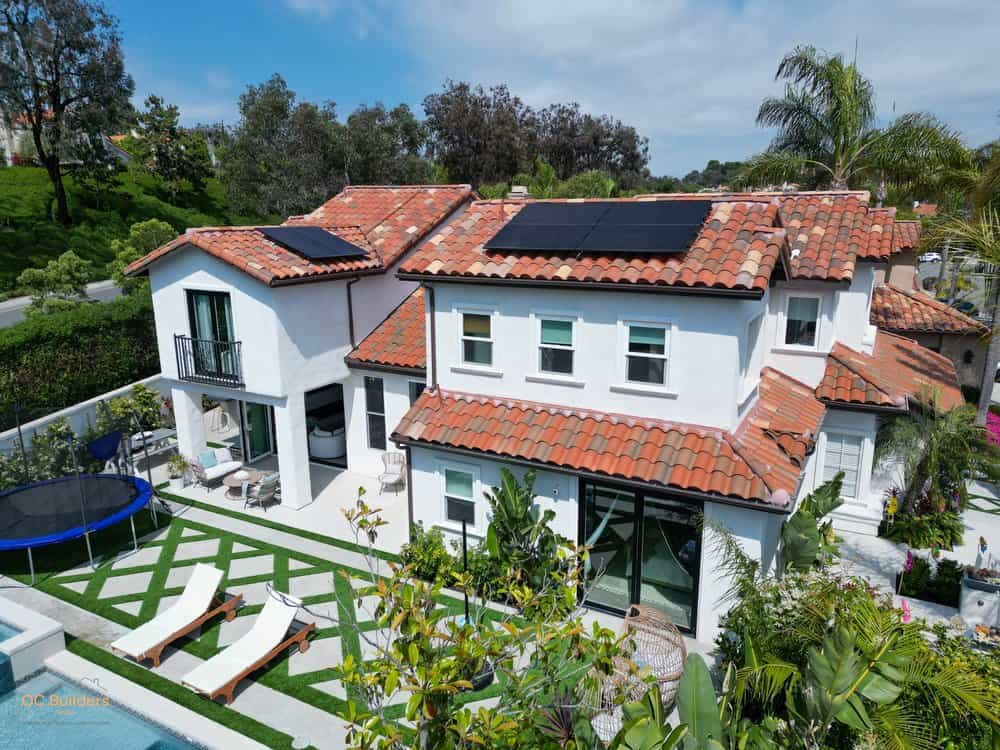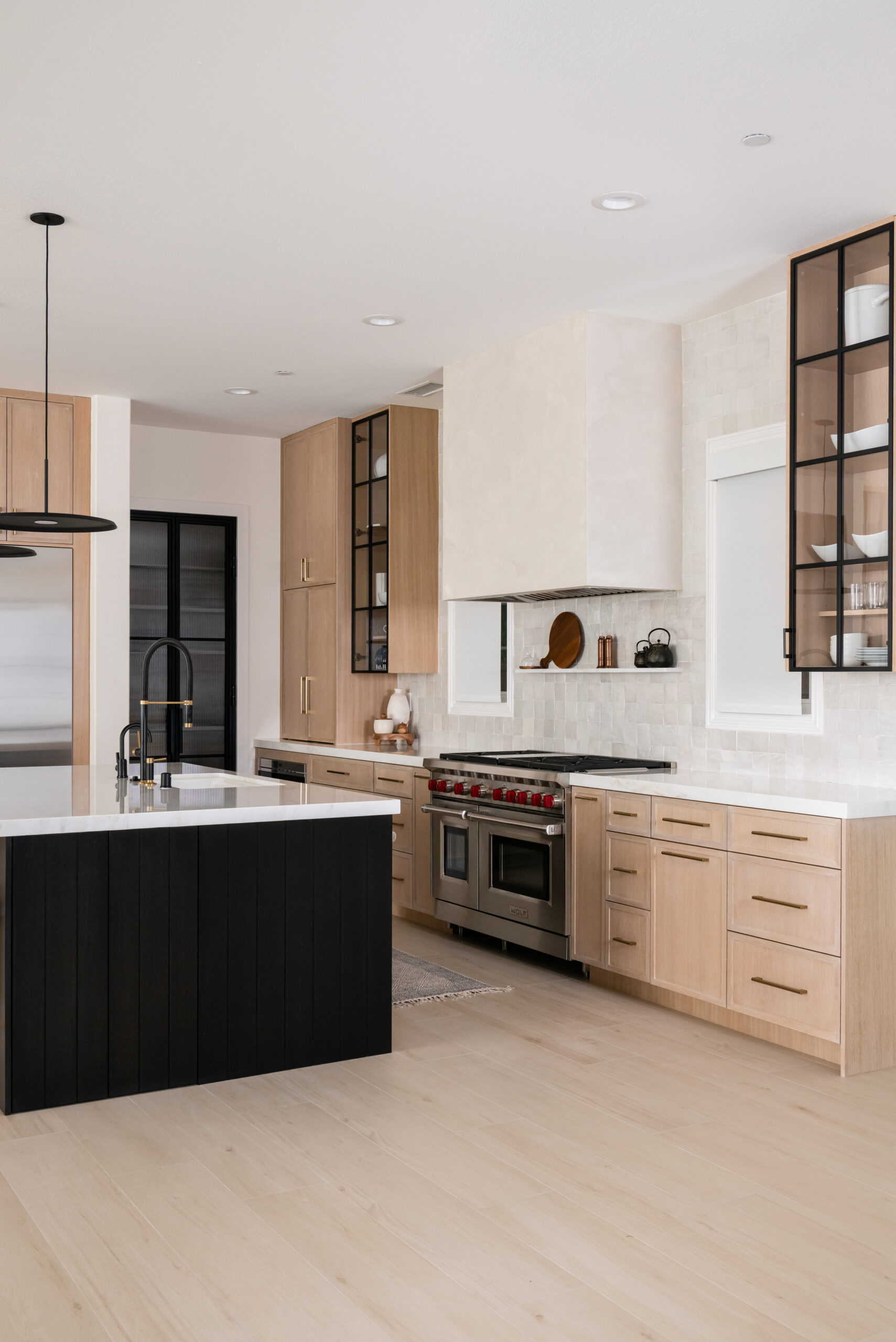
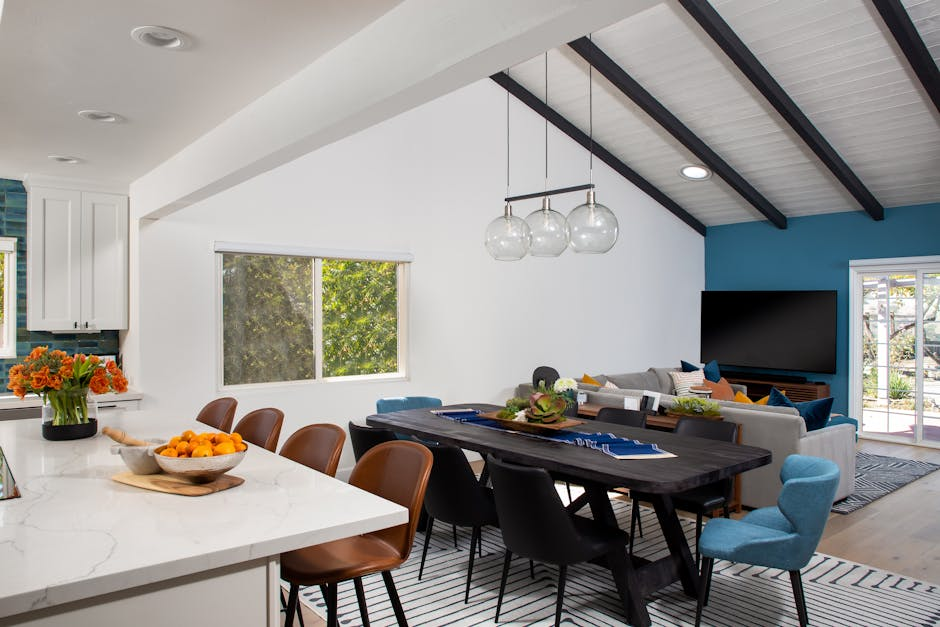
You can feel this decision in a room long before you put numbers on paper. We meet Orange County homeowners standing in a kitchen that was updated years ago, looking out at a neighborhood they love, good schools they do not want to leave, or a view they worked hard to earn—while noticing that the house still does not flow, the ceilings still feel low, the systems are aging, and every fix seems to uncover a deeper limitation. If you love the lot but the house keeps fighting you, the real question is not whether remodeling or rebuilding is cheaper in theory. It is whether the existing house can realistically become what you need without forcing you to invest around problems that never truly go away.
Our short answer is this: in Orange County, a major remodel is still the smart move when the house has strong underlying bones and your goals can be achieved without battling major structural, systems, or layout constraints. A custom rebuild becomes the better long-term decision when the house itself is the bottleneck—when too many compromises, hidden issues, or inherited limitations stand between you and the way you actually want to live.
Not sure whether to remodel or rebuild?
Get a professional feasibility review before you spend money on plans. OC Builders Group helps homeowners compare both paths through one accountable design-build process, so you can move forward with more clarity and fewer costly assumptions.
In Orange County, homeowners are rarely making this decision in a vacuum. The lot often carries enormous value on its own. You may be trying to stay in Newport Coast, Irvine, or another established neighborhood where the location, schools, commute, and community are hard to replace. That raises the stakes. If you make the wrong call, you are not just overspending on construction—you are sinking time, energy, and opportunity into a property that may still fall short when the work is finished.
That is why we encourage clients to think beyond headline price. What are you actually buying with this project? Better circulation. More reliable systems. Lower maintenance. Cleaner indoor comfort. Stronger long-term livability. Less compromise. A remodel that costs less upfront but leaves you with awkward flow, patched-together infrastructure, or another wave of work in five years can be the more expensive choice in practice.
Orange County also adds layers of permitting, code, and neighborhood context that make premature decisions risky. A deep remodel can trigger complexities homeowners do not expect. A rebuild may unlock a cleaner solution, but only if it aligns with lot conditions, approvals, and budget realities. In a high-value market, getting scope wrong is expensive. That is exactly why we believe the smartest first move is to evaluate both paths under one accountable design-build process before you commit to plans that assume the answer too early.
A remodel makes sense when the house you have is fundamentally compatible with the house you want. That does not mean it is perfect as-is. It means the structure, footprint, and core organization still give you enough to work with. We often see this in homes where the owners need better kitchen-family room connection, more natural light, a reworked primary suite, upgraded bathrooms, or a smarter indoor-outdoor relationship—but the home is not fighting every move.
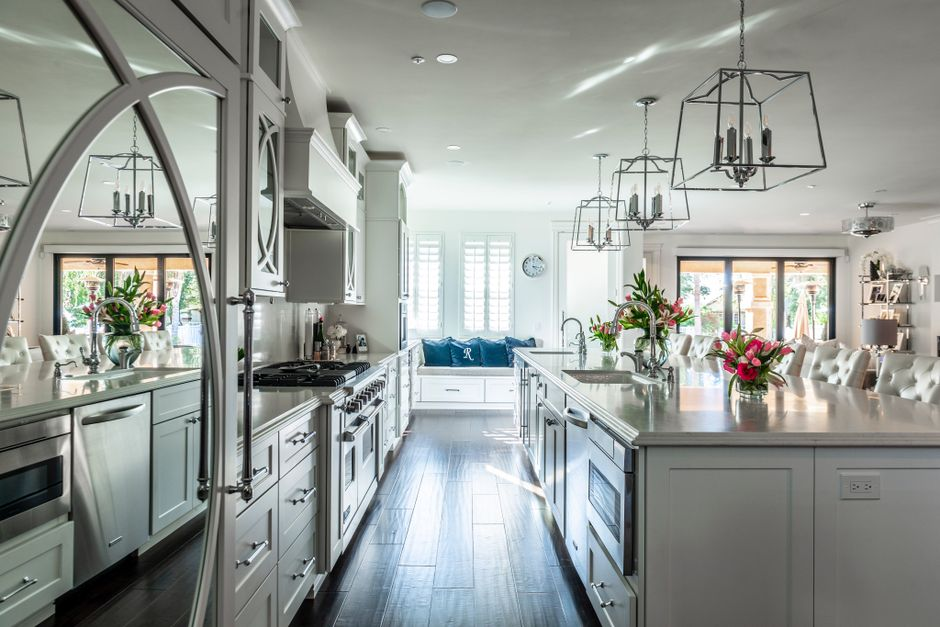
In those cases, remodeling can preserve what is already valuable: a sound structural shell, a workable floor plate, and portions of the house that do not need to be reinvented. If the ceiling heights are acceptable, the mechanical systems are not all at end of life, and the desired changes can be made without endless structural workarounds, a well-planned renovation can transform the experience of the home without requiring a full reset.
We also see remodels pay off when previous owners did not damage the logic of the home with too many layered additions or piecemeal changes. A house that needs modernization is very different from a house that has become a puzzle. If the existing framework still supports clear circulation and proportion, we can often reconfigure intelligently and deliver a result that feels dramatically better without the added demands of starting over from scratch.
- The footprint is mostly usable, even if some spaces need to be reworked.
- Structural changes are targeted, not widespread.
- Electrical, plumbing, and HVAC need upgrades but not a total rescue mission.
- The home can achieve your goals without major compromises in flow, ceiling height, or room proportions.
- You want to preserve meaningful parts of the existing structure because they still add value.
When the house has become the constraint
The threshold usually reveals itself when the project stops being about improving a home and starts becoming an exercise in negotiating with its limitations. We see this when homeowners want open, effortless living but the structure forces awkward beams, chopped-up rooms, and circulation that never really settles. We see it when old additions have created strange transitions, low areas, disconnected rooflines, or a floor plan that cannot be untangled without rebuilding most of what is there anyway.
Another strong signal is systems stacking. If the plumbing is old, the electrical is outdated, the HVAC is inefficient, insulation is poor, windows are underperforming, and major structural changes are also needed, you are no longer talking about a cosmetic or even straightforward functional remodel. You are talking about a near-total reset disguised as a renovation. At that point, rebuilding often delivers more control, better performance, and a cleaner long-term result.
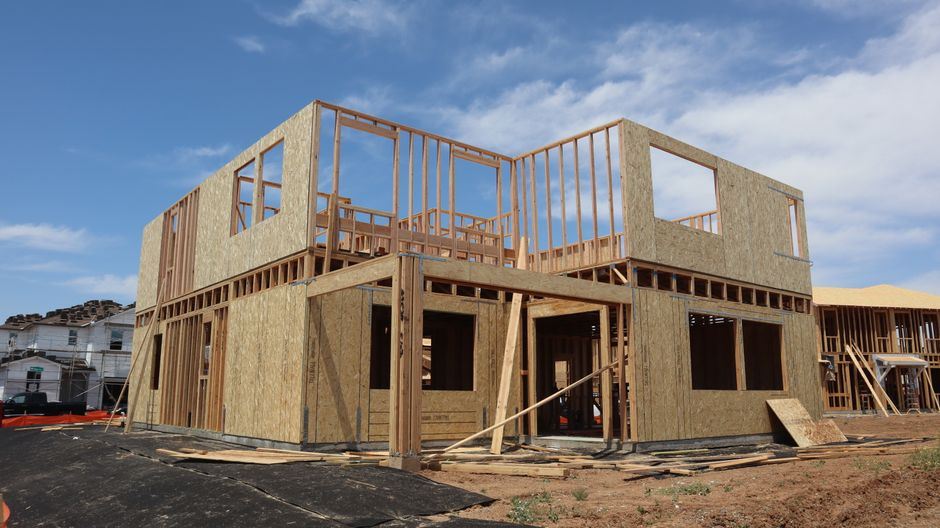
We also urge homeowners to pay attention to what cannot easily be fixed. Ceiling height. Floor level inconsistencies. Poor orientation of key spaces. Fundamental lack of storage. Stair and hallway placement that wastes usable square footage. Garages or additions that were never integrated well. These are the kinds of inherited conditions that can consume substantial budget without giving you the feeling of a truly new home. If every solution requires another workaround, the house may have crossed the line where a custom build is simply more rational.
Emotionally, this can be hard to accept. Many families have history in the house. They do not want to sound extreme by saying, “Maybe we should start over.” But rebuilding is not an extreme response when the existing home cannot efficiently support the outcome you want. Sometimes it is the more disciplined choice because it stops the cycle of paying premium dollars to preserve low-value constraints.
How the tradeoffs compare in real life
| Factor | Major Remodel | Custom Rebuild |
|---|---|---|
| Layout freedom | Good if the existing structure and footprint already align with your goals | Highest level of control over flow, room sizing, orientation, and daily livability |
| Structural limitations | Often requires working around existing walls, spans, rooflines, and floor levels | Lets you design without inheriting those constraints |
| Systems reset | Can improve key systems, but older infrastructure may still shape the project | Full opportunity to reset electrical, plumbing, HVAC, insulation, and performance |
| Permitting and approvals | Can be simpler in some cases, but deep remodels often become more complex than expected | More comprehensive review, but often clearer when the scope is truly transformative |
| Construction disruption | May allow partial occupancy in some cases, though major renovations are still highly disruptive | Usually means a full temporary move, but avoids living through a house-wide reconstruction zone |
| Maintenance outlook | Improved, but some old components or inherited conditions may remain | Lowest long-term maintenance burden when designed and built as a complete system |
| Energy performance | Can improve substantially, but performance is still tied to what can be retained | Best opportunity for whole-home efficiency and comfort from the start |
| Longevity and resale | Strong when the remodel solves core issues rather than masking them | Often strongest when the old home had broad limitations and the lot supports a higher-performing replacement |
What to evaluate before you spend money on plans
The biggest mistake we see is committing too early to a remodel or a rebuild before the property has been properly tested. Homeowners often hire for drawings based on instinct—“We should probably add on” or “Let’s just gut it”—without first pressure-testing whether that path makes sense for the lot, the code context, the desired outcome, and the real budget.
A better approach is feasibility first. We start by looking at the house honestly: existing structure, additions, system age, circulation, opportunities for reconfiguration, and likely friction points. Then we evaluate the lot and local realities that shape what is possible. From there, we compare scenarios against the same end goal. Not “What can we do with a remodel?” in isolation, and not “What would a new home cost?” in the abstract, but “Which path gets this family the better result with fewer compromises and more confidence?”
This matters because fragmented planning tends to bias the answer. If one team is only engaged to remodel, they naturally solve within remodel assumptions. If another conversation starts from new construction, the analysis can tilt that way. We prefer one design-build feasibility process because it keeps accountability in one place. We can test both options, surface the real tradeoffs early, and help you avoid sinking time into the wrong concept.
- Define the outcome first: how you want the home to live, not just what rooms you want to add.
- Assess the existing house objectively, including structural and systems realities.
- Review lot, zoning, code, and approval conditions that shape both paths.
- Model budget ranges around real scope, not wishful assumptions.
- Compare remodel and rebuild against the same long-term goals before committing to design direction.
The objections we hear most often
One common fear is overbuilding. Homeowners worry that a rebuild sounds too ambitious for the neighborhood or the lot. Sometimes that concern is valid, which is why context matters so much in Orange County. But just as often, the deeper risk is under-solving—putting significant money into a renovation that still leaves the house compromised because the original shell never supported the vision in the first place.
Another concern is timeline. People assume remodeling must be the faster, safer route. Sometimes it is. But deep renovations can become surprisingly unpredictable once walls are opened and hidden conditions emerge. A rebuild may feel like the bigger leap, yet it can provide a more controlled path when the existing home is full of unknowns. The answer depends on the actual property, not the label on the project.
We also hear, “Can’t a deep remodel achieve the same result?” Sometimes yes. Sometimes no. If the desired result depends on full layout freedom, whole-home performance, and eliminating inherited structural or mechanical baggage, the two paths do not produce the same thing. That is why we focus on outcomes rather than trying to force the decision through a cost-only lens.
FAQ
Is rebuilding always more expensive than remodeling in Orange County?
No. It is often more comprehensive, but not automatically the worse value. Once a remodel involves broad structural changes, major systems replacement, and extensive reconfiguration, the cost gap can narrow while the outcome gap widens.
Can I stay in the home during a major remodel?
Sometimes, but many whole-home renovations are more disruptive than homeowners expect. Living through construction can affect schedule, logistics, and stress level. That practical reality should be part of the decision, not an afterthought.
How do I know if my house has “good bones”?
It usually means the structure is fundamentally sound, the layout is workable enough to improve efficiently, and the home does not require a cascade of major corrections just to reach your goals. “Good bones” is not a style judgment; it is a feasibility judgment.
Should I get remodel plans first and figure out rebuilding later if needed?
We do not recommend that. Once time and design fees are invested in a single assumption, it becomes harder to make an objective choice. Testing both paths early is usually the safer and more economical planning move.
Make the decision before you commit to the scope
If you love your Orange County lot but are increasingly frustrated by the house on it, the smartest next step is not guessing—and it is not defaulting to a remodel because rebuilding sounds bigger, or defaulting to a rebuild because the house feels old. The real goal is to identify the threshold: whether the existing structure can still be transformed efficiently, or whether it has become the very thing limiting your investment.
At OC Builders Group, we help homeowners evaluate both directions through one design-build lens, so the decision is grounded in feasibility, livability, approvals, budget realism, and long-term value. That way, you do not have to choose between sentimental attachment and smart planning. You can keep the lot you love and move forward with the path that actually serves it best.
Ready to test both paths with one team?
If you love your lot but are unsure whether the smarter investment is a major remodel or a custom rebuild, OC Builders Group can evaluate the house, the lot, the likely constraints, and your long-term goals under one design-build lens.
Start with a conversation about feasibility, budget realism, permitting considerations, and the best way to get the home you actually want.