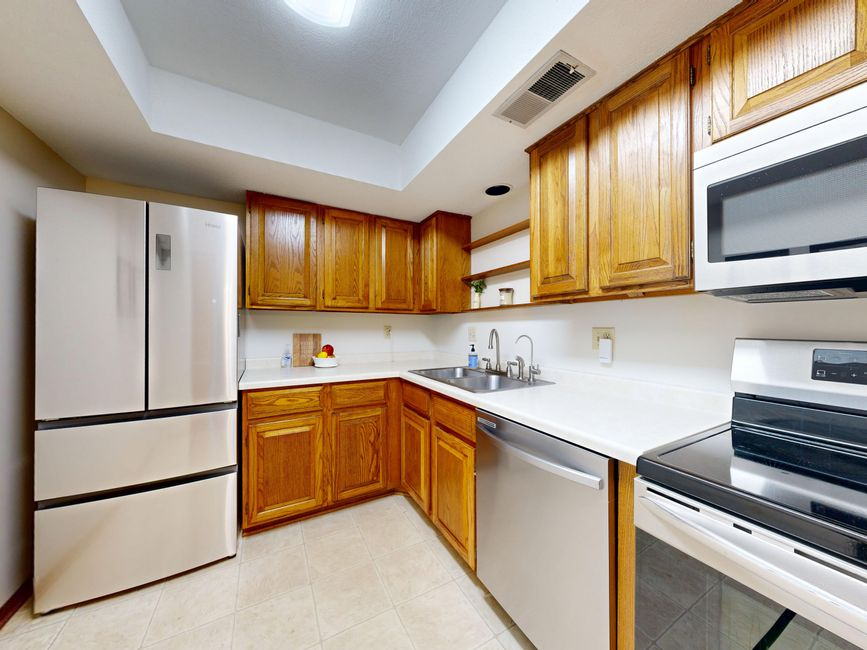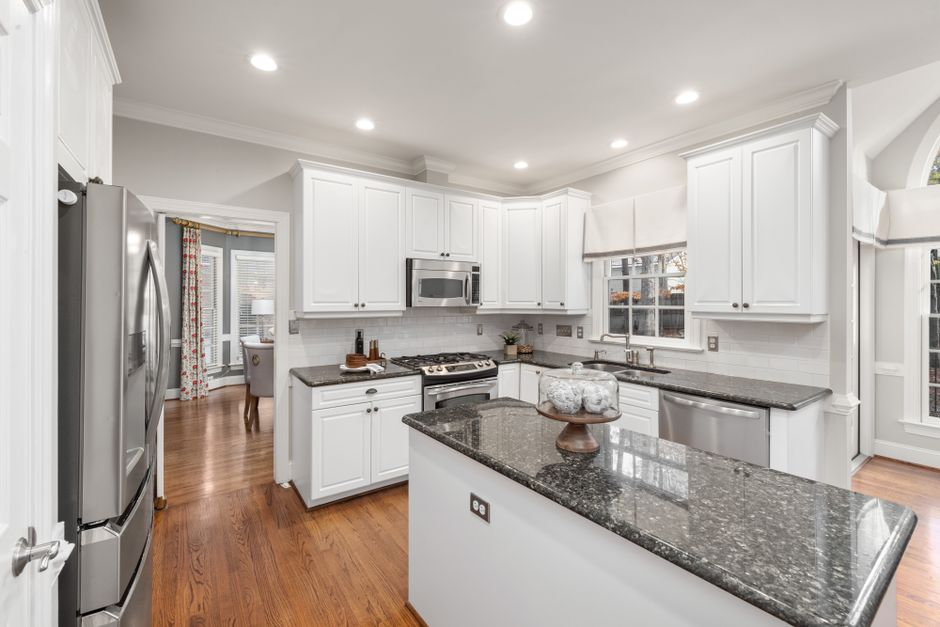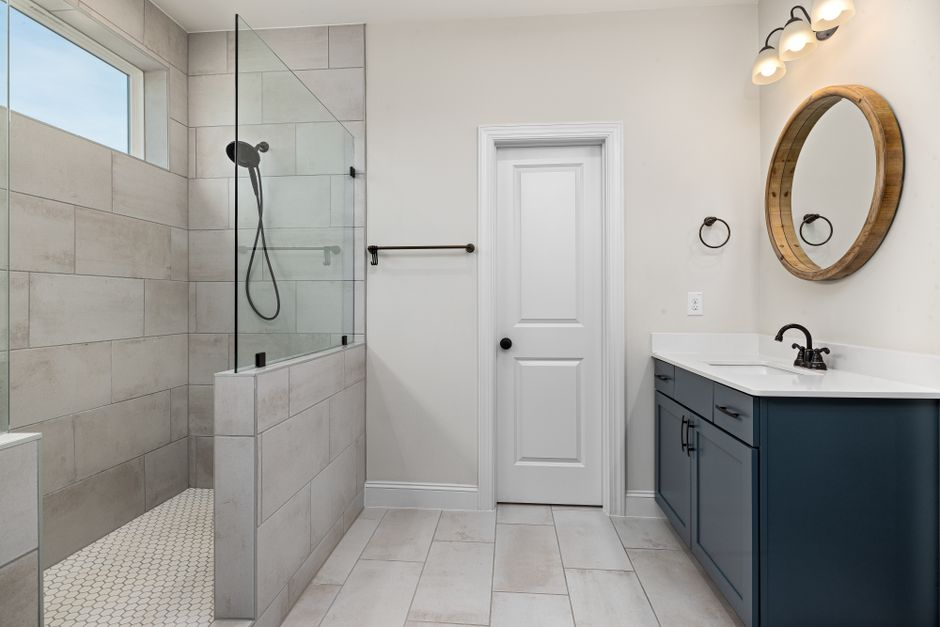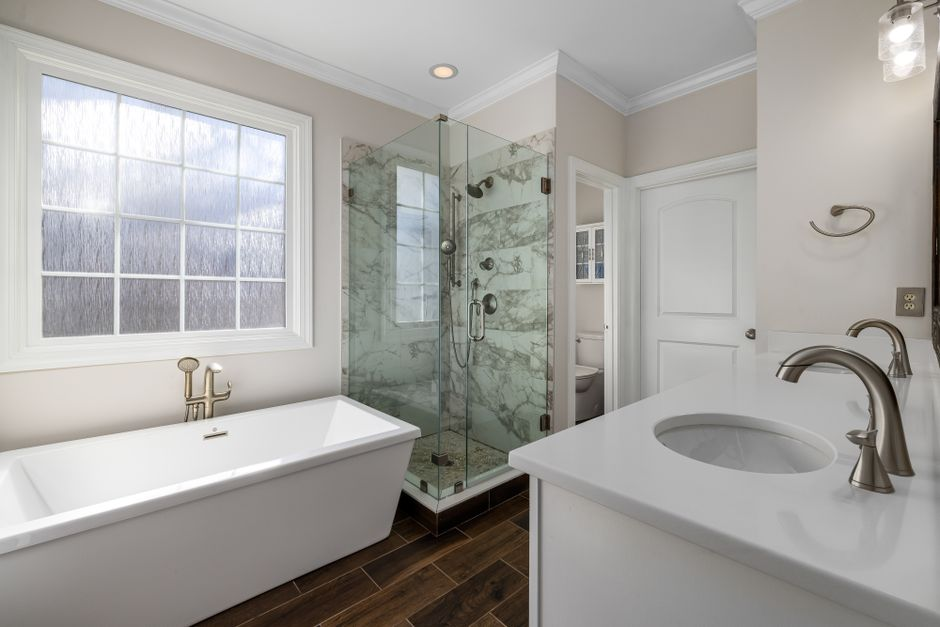
A garage is the cheapest square footage a house already owns. Most homeowners know they want to use it. The harder part is choosing what to build and where to begin.
So we put together twelve garage conversion ideas worth building in 2026, each one tied to the structural decision that should be settled before any wall comes down.
Key Takeaways
- Start with one decision, not a mood board: the choice between a separate unit and a home extension drives the cost, permits, and timeline across all of these garage conversion ideas.
- Two of the twelve are not conversions at all: a rental ADU and an in-law suite are separate dwellings, and the reason they lead comes down to income.
- Open-concept wall removal is the highest-stakes idea here, since the structural work behind it decides whether the result adds value or liability.
- Offices, gyms, and theaters each turn on a single detail most plans get wrong, from sound isolation to ceiling height.
- Studios and flex rooms reward planning the second use early, before the walls ever close.
- The most overlooked ideas are the practical ones: a workshop and a storage hub that absorb everything the garage used to hold.
Start by Deciding How the Space Connects to Your Home
The first decision is structural, not stylistic. A converted garage either becomes a separate unit or an extension of the home around it, and that single fork sets the budget, the permit path, and the timeline.

A separate unit, a rental ADU, or an in-law suite carries its own entrance, kitchen, bathroom, and an independent HVAC run.
An extension, an office, or a gym, ties into the existing house and skips most of that scope.
Most homeowners start out unsure which one they want: a garage conversion or ADU. One is a remodel of existing space. The other is a standalone home the county counts on its own.
The two paths look similar on a floor plan and diverge sharply on a cost sheet.
- Separate unit: its own entrance, kitchen, bath, electrical sub-panel, and sewer tie-in. Higher cost, with stronger rental and resale return.
- Home extension: insulation, flooring, lighting, and finishes, with plumbing only when the use calls for it. Lower cost, faster to finish.
A lighter garage remodel that keeps the space non-habitable sits below both, smaller in scope and lighter on permits.
Settle this question first, and the garage conversion ideas ahead fall into place.
1. Rental ADU for Steady Monthly Income
Best for: turning idle square footage into rent.
An ADU is a separate dwelling, not an extension of the house, yet it has become the most requested use for a garage by a wide margin, almost always for the income.
State ADU rules let a homeowner add an independent dwelling on a single-family lot, and a tenant-ready studio turns dormant square footage into monthly rent plus a real lift in appraised value.
The cost splits into two parts that budgets routinely undercount: the shell and the systems that make the unit livable.
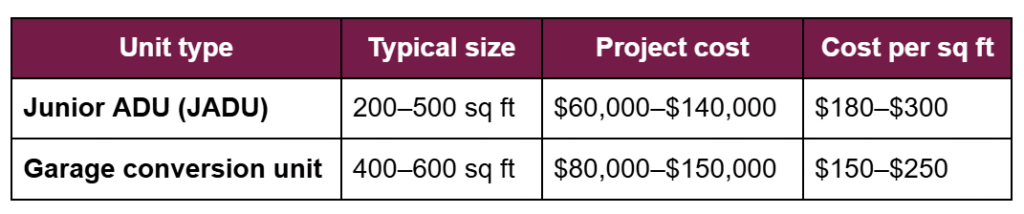
A JADU keeps the figure low by sharing a wall and some utilities with the main house. A standalone conversion unit costs more and rents for more. The final cost depend on how much of the plumbing, panel, and climate work the existing garage can absorb without a full tear-out.
2. In-Law Suite for Multigenerational Living
Best for: keeping family close with privacy intact.
Same separate-dwelling logic, aimed at a relative, not a tenant. The suite gives aging parents or an adult child a private bedroom, bath, and often a kitchenette, steps from the main house behind their own door.
Accessibility often leads the plan: a curbless entry, a zero-threshold shower, wider doorways, and wall blocking for grab bars. The features that serve a parent now register as universal design to a future buyer.
3. Open-Concept Living Extension
Best for: making the whole ground floor feel larger.
Here, the garage merges into the house. Removing the shared wall folds the old bay into the kitchen or living space, and the floor opens into one continuous room with no added footprint.
The wall is where this idea earns or loses its money. Most garage-to-house walls carry structural load, so taking one out is an engineering job before a design one:
- A structural assessment to confirm what the wall holds.
- A sized beam or header to carry the load it used to bear.
- Permits filed and approved before any demolition starts.
- Rerouting for gas, water, or electrical lines buried in the wall.
Done in the right order, the converted garage feels original to the home. Skipped or rushed, the missing permit surfaces as a liability the moment the property goes up for sale.
4. Dedicated Home Office
Best for: remote work that needs real separation.
The fastest of these garage conversion ideas, since no kitchen or bathroom means no plumbing. Scope drops to insulation, climate control, lighting, and dedicated circuits for equipment.
Two details decide the outcome: sound isolation from the house, handled with insulated walls and a solid-core door, and daylight, since one small window leaves the room dim. A two-car bay holds two private offices.

5. Home Gym and Wellness Studio
Best for: training without a commute or a membership.
A garage suits a gym better than almost any indoor room, once flooring, ventilation, and ceiling height are sorted. Rubber over the slab absorbs impact. A ductless mini-split clears the heat and humidity a closed bay traps.
Ceiling clearance decides what the room can hold, so a pull-up rig or an overhead barbell needs measuring first. Mirrors and even lighting finish it.
6. Private Home Theater
Best for: a cinema room with no daylight to fight.
The one conversion that gains from a garage’s biggest flaw. No windows means no light to block, and the boxy shell traps sound an open floor plan would leak.
Two systems carry it: electrical sized for a projector and powered seating, and acoustic panels that kill the echo bare concrete throws back. A budget build layers a screen and blackout insulation onto the shell; a built-in adds risers and in-wall wiring.
7. Soundproof Studio for Music or Art
Best for: recording, podcasting, or painting in real quiet.
The reverse of a theater: here sound has to stay in. For a musician, that means true soundproofing, decoupled walls, and a sealed door, not the foam panels that only tame echo.
For a painter, the priority flips to steady north-facing daylight. Either way, sealing a room for sound also seals out air, so a dedicated supply keeps it breathable.
8. Flexible Office-and-Guest Room
Best for: homeowners torn between two uses.
One room covers both with a wall bed and furniture that folds away. The trick is planning the second use before it exists. An extra circuit, a plumbing stub, and a data line cost little with the walls open, and add real expense once surfaces close.
Build in a closet for guest bedding and switch task and rest lighting separately. A single garage remodel then earns its keep twice over.
9. Home Bar and Entertainment Lounge
Best for: hosting that spills out of the kitchen.
A lounge takes the pressure off the main living space on game nights and gatherings. Plan for a wet bar, a beverage fridge on its own circuit, and seating that feels relaxed, not formal.
The wet bar is where budgets slip: a bar sink needs a supply line and a vented drain tied into the home’s waste system, which counts as a permitted plumbing addition, not a weekend hookup.
Dimmable fixtures set the mood, and wall insulation keeps the noise from carrying upstairs. Among these garage conversion ideas, it is the one built purely for fun.
10. Kids’ Playroom or Teen Hangout
Best for: giving the chaos its own four walls.
A playroom pulls toys, games, and noise out of shared rooms into one contained space. The detail that separates a real playroom from a cold concrete box is the floor: a garage slab sits hard and cold against the ground, so an insulated subfloor beneath the finish surface is what makes the room usable for kids who play at floor level.
For young children, add rounded corners and low, reachable storage. For teens, it leans toward a media setup, a gaming corner, and a door that closes. Insulation between the bay and the house keeps the volume where it belongs, and the room adapts as the kids grow.
11. Workshop or Maker Space
Best for: woodworking, crafts, and messy projects.
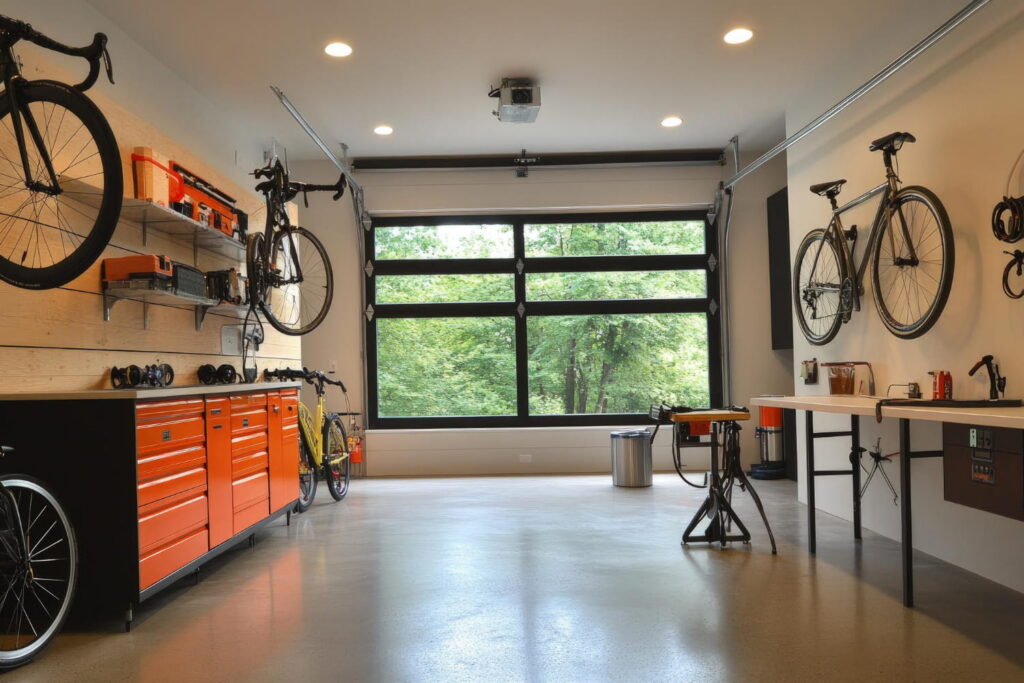
A garage already has the bones a workshop wants: a durable slab, room for a bench, and separation from the living space. Add dedicated 20-amp circuits for power tools, dust extraction or strong ventilation, and bright task lighting over the bench.
Lockable storage keeps sharp tools and finishes out of reach. Keep one roll-up door if you need to move large stock in and out.
12. Mudroom and Storage Hub
Best for: absorbing everything the garage used to hold.
Every conversion raises a question people forget: where does the stored gear go? A mudroom and storage hub answers it with built-in cubbies, hooks, a bench, and tall cabinets near the entry, catching shoes, coats, sports equipment, and bulk goods before they reach the house.
Of all the garage conversion ideas here, this is the most practical and the most overlooked.
Thinking About a Garage Conversion This Year?
We put these twelve directions together because the right one is rarely obvious from a list alone. Every project we take on starts with the same question: how should the space connect to the house? From there, we weigh the use, the budget, and the permits with you.
When you are ready to shape a converted garage around how you actually live, we are here to help.
FAQ
How much does a garage conversion cost?
A habitable conversion runs roughly $80,000 to $150,000 for a 400 to 600 square foot unit, with the systems costing more than the finishes. A simple, non-habitable garage remodel sits well below that.
Do I need a permit to convert my garage?
Yes. Any habitable conversion needs permits, and removing a load-bearing wall requires a structural permit before demolition begins.
Will an HOA approve a garage conversion?
Often, but many associations review exterior changes and any loss of visible parking first. Submitting plans for approval before construction avoids a costly stop-work order later.
Does losing the garage hurt resale value?
It depends on the use and the neighborhood. An income-producing ADU usually adds value; a lost parking space in a car-dependent area can count against you.
How long does a garage conversion take?
Design and planning run one to two months, permitting another one to three, and construction roughly two to four. A lighter remodel without structural change moves faster.