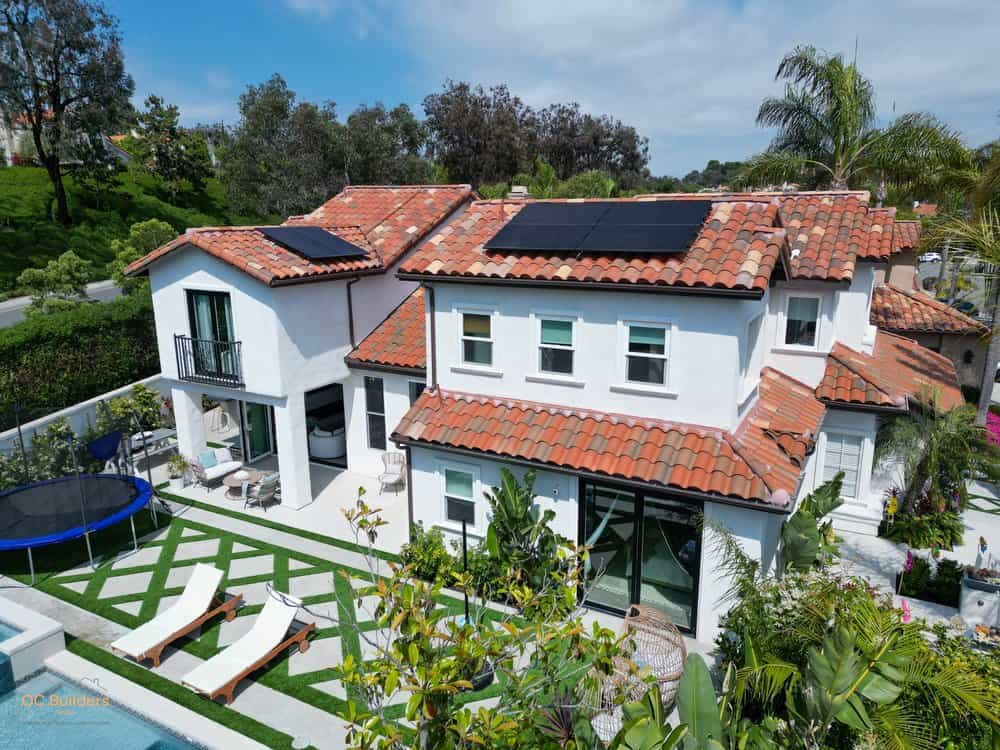
At OC Builders Group, we tell homeowners that the projects most likely to add value in Orange County are the ones that solve a real problem: outdated layout, weak storage, poor indoor-outdoor flow, aging baths, or missing legal living space. In places like Newport Coast, Irvine, Laguna Beach, and Coto de Caza, value usually means a mix of resale potential, daily livability, and marketability—not trend appeal alone—and it depends on scope discipline, quality, permit status, and neighborhood fit.
Not every expensive project adds equal value. In Orange County’s move-up and luxury neighborhoods, buyers often respond most strongly to utility: kitchens that connect well to living space, bathrooms that feel current and durable, better storage, legal square footage, and finishes that suit the home’s architecture. A flashy remodel that ignores circulation, code compliance, or deferred maintenance can underperform a simpler project that fixes functional obsolescence.
This is where ROI headlines can mislead. Remodeling return is rarely dollar-for-dollar, and Southern California kitchen projects often recoup roughly 50% to 80% depending on finish level, price tier, and whether the work is midrange or upscale. Houzz also reports that 35% of renovating homeowners open the kitchen to other indoor spaces, and 43% increase kitchen size—useful signals that layout and openness still matter to owners and buyers. Still, appraisers do not assign value because a listing says “open concept”; they typically look for improved utility, better condition, and permitted modernization relative to nearby sales.
Buyer psychology is fairly consistent. Kitchens, baths, storage, and indoor-outdoor flow shape first impressions; legal ADUs and room additions expand real utility; and code-compliant, permitted work helps preserve value at resale. Highly personalized finishes can narrow appeal, especially in upper-tier homes where buyers expect quality but may not share the current owner’s taste.
The Home-Value Glossary Orange County Homeowners Should Know
- ROI
- Return on investment. In remodeling, ROI is rarely a full dollar-for-dollar payback and varies by market, scope, and execution. A project can still be worthwhile if it improves daily use and saleability.
- Cost recouped
- An industry estimate of how much of a project’s cost may be recovered at resale. It reflects modeled market response, not a guaranteed sale premium or appraisal bump.
- Design-build
- A single-source process that combines planning, design, permitting, and construction. For complex remodels, it can reduce coordination risk and help keep decisions aligned from start to finish.
- Permit-ready plans
- Drawings and documentation complete enough for plan check submission. Depending on the city and scope, that may include measured plans, engineering, product details, and code notes.
- Functional obsolescence
- A layout or design issue that reduces buyer appeal even if the home is technically usable, such as a closed-off kitchen, awkward circulation, or limited storage.
- Deferred maintenance
- Repairs that have been postponed, such as aging plumbing, moisture damage, roofing issues, or outdated electrical systems. These problems can drag down value and disrupt remodel budgets.
- Scope creep
- Work added after construction begins. It often affects budget and timeline, especially when late changes involve structure, plumbing, electrical, or finishes with long lead times.
The Projects Most Likely to Add Value: Kitchens, Bathrooms, and Whole-Home Flow
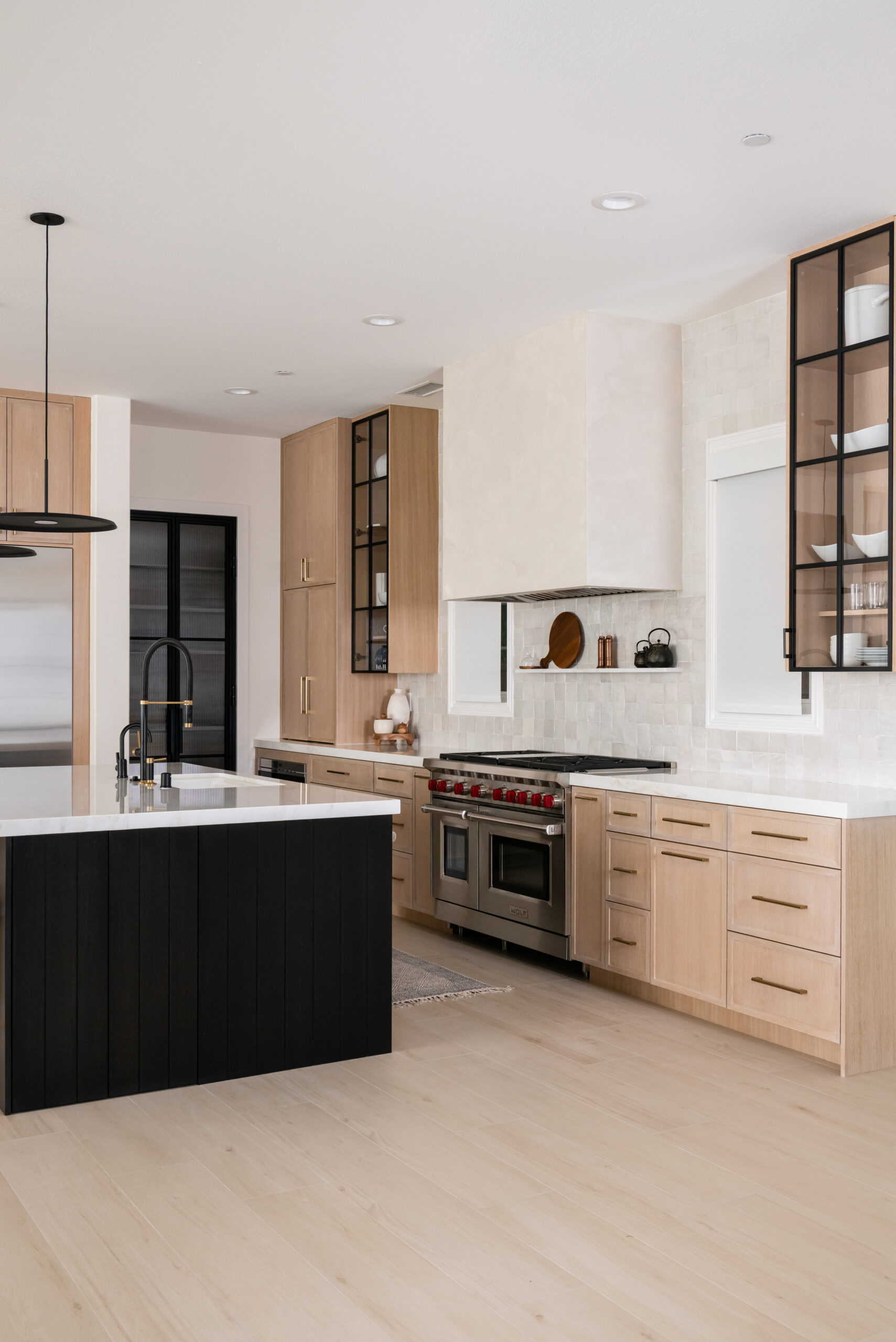
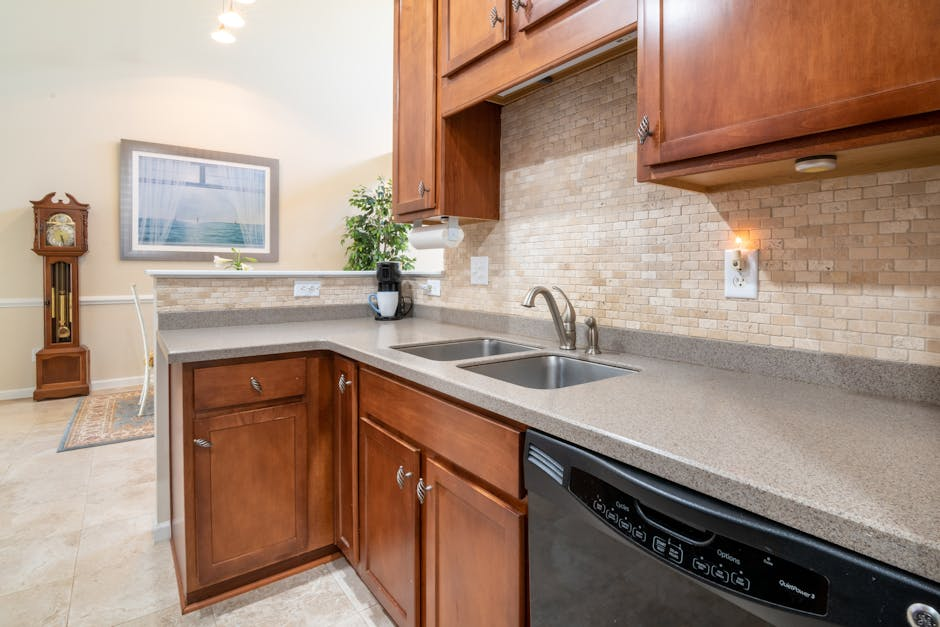
Kitchen remodeling. In Orange County, kitchens remain one of the strongest value categories because they affect layout, storage, lighting, and how the home lives day to day. Open-concept demand is still real, but the value comes less from the label and more from whether the new plan improves circulation, island function, sightlines, and finish cohesion. That is one reason many homeowners exploring a kitchen remodel eventually widen the scope to adjacent living areas.
Many sought-after kitchen openings involve at least one load-bearing wall, so structural work is common. Load-bearing removal often requires engineering, beam design, permit review, inspections, and careful finish repair. Older homes in Anaheim, Santa Ana, Orange, Fullerton, and Costa Mesa can also reveal outdated wiring, old plumbing, asbestos, or lead-paint issues after demolition, which is why early planning matters.
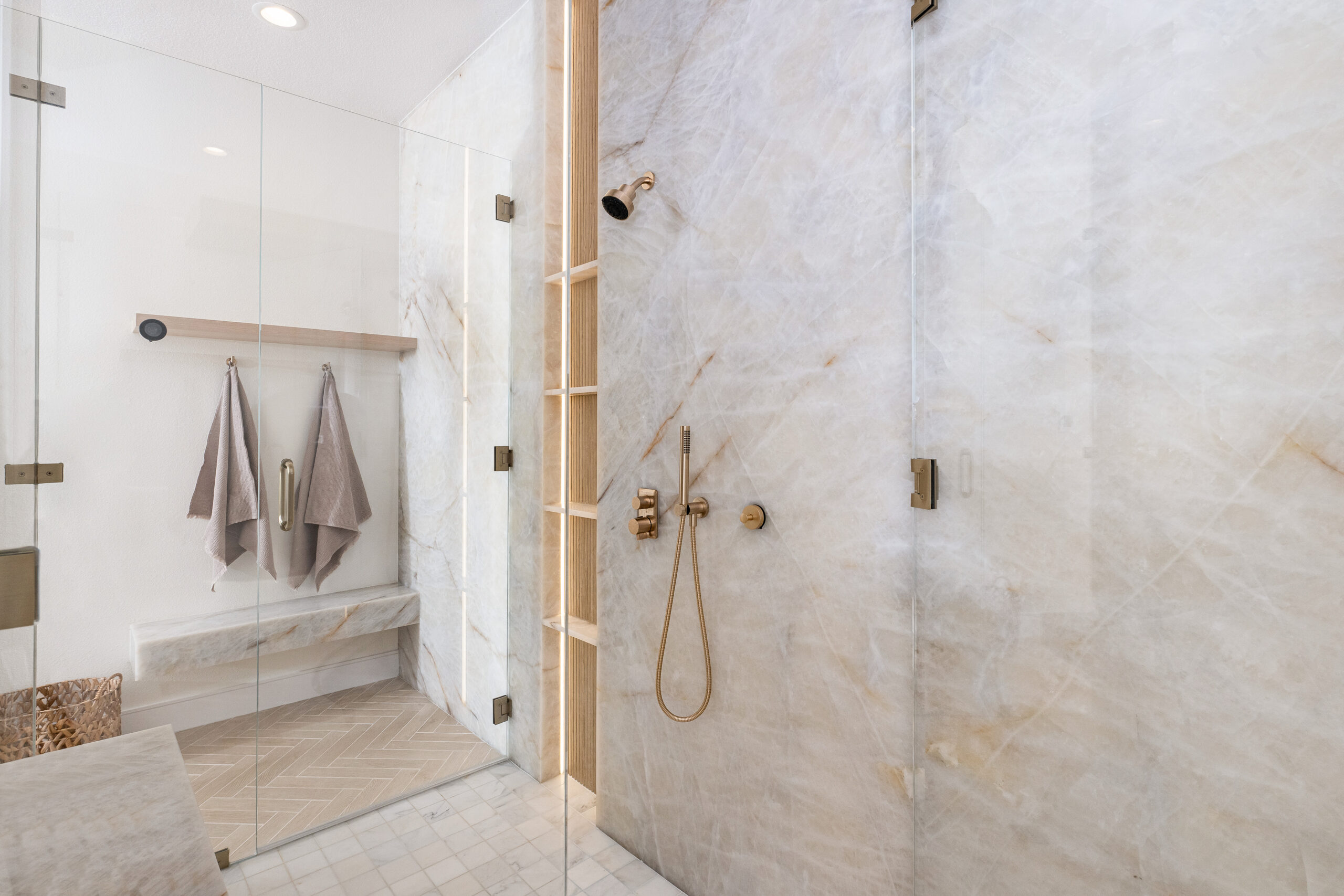
Bathrooms. Bathroom remodeling also tends to support value, especially in primary baths and heavily used secondary baths. Buyers quickly notice shower size, lighting quality, storage, tile condition, and overall cleanliness. In higher-end neighborhoods, the best results usually come from durable, restrained materials rather than hyper-specific trends. You can see how we approach these updates in our bathroom remodeling work.
Whole-home flow. Sometimes the smartest move is not a piecemeal update but a coordinated whole-home renovation. Opening a kitchen while leaving adjacent flooring, lighting, and circulation unresolved can limit the gain. In homes where multiple spaces feel dated at once, whole-home flow improvements often do more for marketability than isolated room upgrades.
ADUs, Room Additions, and Garage Conversions: When Extra Space Adds Real Equity
Legal extra space can create meaningful value, but only when the use case and permitting are clear. In Orange County, an ADU may appeal because it supports rental flexibility, guest space, multigenerational living, or a home office. California’s housing department remains a solid homeowner resource on this through California HCD ADU Resources.
A room addition can also make sense where lot size, setbacks, and neighborhood norms support the new square footage. Here, the distinction between legal square footage and perceived utility matters: a permitted addition typically carries stronger long-term value than improvised living space that creates resale questions.
Garage conversions are more nuanced. In some neighborhoods, a conversion may improve utility. In others, the loss of enclosed parking and storage can hurt appeal, especially where driveway space is limited or garages are expected. For that reason, additions and conversions benefit from early planning around zoning, code, HOA review, and intended use. We help homeowners evaluate those tradeoffs through our ADU and room addition services and garage conversion work.
Curb Appeal, Windows, Doors, and Energy Upgrades: Smaller Projects With Strategic Upside
If a major remodel is not the immediate move, smaller projects can still improve value perception and buyer confidence. Curb appeal upgrades, exterior maintenance, fresh paint where appropriate, updated lighting, and a better front entry can strengthen first impressions without the disruption of a full renovation.
Entry doors, garage doors, and window upgrades may also support marketability, particularly when the existing elements look dated or poorly maintained. The upside is usually strategic rather than dramatic: cleaner presentation, fewer objections, and a home that feels better cared for overall. Scattershot updates, however, can waste budget if they do not connect to a broader plan.
Energy efficiency also matters in California. The U.S. Department of Energy: Energy-Efficient Home Design supports measures such as insulation, air sealing, glazing choices, and HVAC planning. In practical terms, homeowners often see the best comfort gains when kitchen or whole-home work is paired with better ventilation, improved HVAC zoning, LED lighting, and thoughtful envelope upgrades.
What These Terms and Project Types Mean for Budget, Timing, and ROI Expectations
Our prioritization framework is simple: repair first, function next, finish third. If a home has deferred maintenance, that usually deserves attention before cosmetic spending. If the layout creates everyday friction, solving that may add more practical value than replacing otherwise serviceable finishes.
For many higher-end Orange County homes, one major project often outperforms several disconnected minor ones. A well-planned kitchen and family-room reconfiguration may do more for value than a scattered mix of paint, lighting swaps, and partial flooring replacement. By contrast, if the exterior is tired and the interior is broadly acceptable, phased curb appeal and maintenance work may be the smarter first step.
Timing also matters. Design, engineering, permitting, product selections, and lead times can take months before construction begins. That is one reason Memorial Day is often a useful planning window: the long weekend gives homeowners space to define priorities before summer and fall schedules tighten.
Common Memorial Day Project Mistakes That Reduce Value Instead of Building It
The most common mistakes are predictable:
- Choosing trends over the home’s architecture and neighborhood fit
- Starting demolition without full plans, permit clarity, or realistic allowances
- Underinvesting in craftsmanship in high-visibility spaces like kitchens and primary baths
- Ignoring deferred maintenance while spending heavily on cosmetics
- Breaking a connected remodel into poorly coordinated phases
We also encourage coastal homeowners in places like Newport Beach, Huntington Beach, Laguna Beach, and Dana Point to think about material durability. Salt air and humidity can shorten the lifespan of standard finishes and metal hardware, so specifications should reflect the setting.
How We Help Orange County Homeowners Choose the Right Value-Add Project
We help homeowners compare options through an integrated process that brings planning, design, permitting, and construction into one coordinated path. That helps us align budget, finish level, code requirements, and construction realities before work starts. If you want project-specific guidance, you can review our project portfolio, explore our services, or contact us for a consultation.
FAQ
Which home remodel adds the most value in Orange County?
Usually a kitchen remodel, bathroom update, or whole-home flow improvement that solves an actual layout problem. Kitchens often lead when they improve storage, lighting, circulation, and connection to living space while matching neighborhood comps.
Is Memorial Day a good time to start planning a major remodel?
Often, yes. The holiday weekend gives many homeowners time to clarify goals, compare proposals, and begin planning before peak construction calendars fill up. Since design and permitting can take months, early planning is useful.
Do ADUs increase property value in Orange County?
They often can, especially when fully legal and well designed. Value depends on the property, neighborhood, intended use, and how well the ADU fits local regulations and buyer expectations.
Are kitchen remodels worth it if I may sell in a few years?
Often yes, if the current kitchen feels dated or functionally obsolete. The best resale impact usually comes from meaningful improvements to layout, storage, lighting, and permitted modernization rather than cosmetic-only changes.
Should I remodel before listing my Orange County home or sell as-is?
It depends on the home’s condition, price point, and likely buyer pool. If deferred maintenance or dated layout issues will create objections, targeted remodeling may improve marketability. If the needed work is extensive, selling as-is may be more practical.
Do I need permits for a garage conversion or room addition in Orange County?
In most cases, yes. Room additions, ADUs, and garage conversions typically require permits, plan review, and inspections, and some planned communities may also require HOA approval. Unpermitted work can complicate resale.