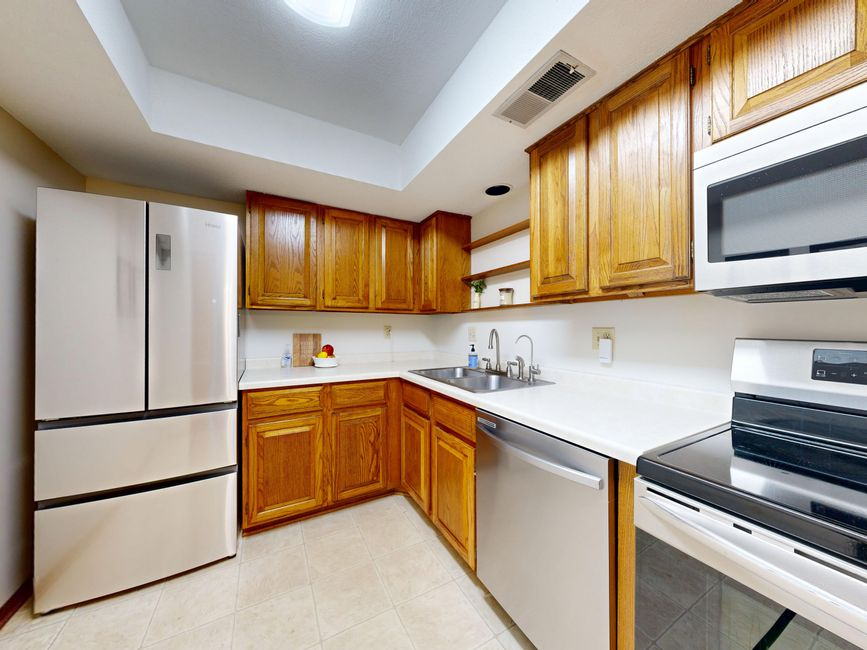

Choosing the right contractor for your Orange County home project can make the difference between a dream transformation and a costly nightmare. With California’s strict licensing requirements and Orange County’s specific building codes, asking the right questions upfront protects your investment and ensures compliance with local regulations. The California State License Board emphasizes that thorough vetting prevents the majority of contractor-related disputes. By following a structured approach to hiring a contractor in Orange County, you’ll secure a trusted partner who delivers quality results on time and within budget.
OC Builders Group: Trusted Expertise for Your Orange County Project

OC Builders Group stands as Orange County’s premier design-build firm, specializing in high-end remodeling and construction services that transform client visions into reality. Our integrated approach combines architectural design with construction management, providing a single point of responsibility from initial concept to final completion. This streamlined process eliminates the communication gaps and coordination issues common in traditional contractor-architect relationships.
Our local expertise spans luxury kitchen remodels, bathroom renovations, room additions, and custom home construction throughout Orange County’s diverse neighborhoods. We maintain in-house teams of licensed professionals and carefully vetted subcontractors who understand the unique challenges of building in coastal and inland Orange County communities. Our transparent pricing model and collaborative project management approach ensure clients remain informed and engaged throughout every phase of construction.
A design-build firm integrates architectural design and construction management, providing clients with a single point of responsibility from concept to completion. This approach reduces project timelines, minimizes cost overruns, and ensures seamless communication between design intent and construction execution.
Are You Licensed in California for Orange County Projects?
California law requires all contractors performing construction work valued over $500 to hold a valid state license. The California State License Board (CSLB) licenses over 300,000 contractors across 43 classification categories, each requiring specific experience and examination requirements. A licensed contractor has demonstrated competency in their trade, carries required insurance, and operates under state oversight that protects consumers.
Verifying contractor licensing should be your first step in the hiring process. Visit the CSLB website to search by license number or contractor name, checking for active status, classification, and any disciplinary actions. Common classifications include General Building Contractor (Class B) for major remodeling projects, and specialty licenses like C-33 for painting or C-36 for plumbing work.
Working with unlicensed contractors exposes homeowners to significant risks, including substandard work, safety hazards, and no recourse through state regulatory channels. Additionally, permits pulled by unlicensed contractors may be invalid, creating costly complications during home sales or insurance claims.
License Verification Steps:
- Search the CSLB database online
- Verify active license status
- Check classification matches your project type
- Review any complaints or disciplinary actions
- Confirm license expiration date
What Experience Do You Have with Projects Like Mine?
California requires contractors to demonstrate at least four years of experience in their specialty classification before qualifying for state licensing. However, the depth and relevance of that experience varies significantly between contractors. Trade experience encompasses not only years in business but also familiarity with specific project types, local building codes, and neighborhood characteristics.
Orange County’s diverse communities present unique challenges, from coastal moisture considerations in Newport Beach to hillside construction requirements in Anaheim Hills. Contractors experienced with your specific project type and location understand these nuances, leading to more accurate estimates, fewer change orders, and smoother permit approval processes.
Request detailed examples of recent projects similar to yours, including project scope, timeline, and budget range. Contractors specializing in luxury kitchen remodels, for instance, should demonstrate expertise with high-end appliances, custom cabinetry, and the complex electrical and plumbing requirements these projects demand.
Experience Evaluation Criteria:
- Years working in Orange County
- Number of similar projects completed
- Familiarity with local permit processes
- Understanding of neighborhood architectural styles
- Experience with your project’s specific challenges
Can You Provide References and Examples of Your Work?
Reputable contractors maintain portfolios of recent work and readily provide client references upon request. These references offer invaluable insights into work quality, communication style, problem-solving abilities, and overall professionalism. The Travelers Insurance guide recommends contacting at least three recent clients to discuss their experience.
When reviewing portfolios, look for projects that match your style preferences and technical requirements. Pay attention to finish quality, attention to detail, and how well the completed work integrates with existing home architecture. Local projects are particularly valuable as they demonstrate the contractor’s familiarity with Orange County’s building standards and aesthetic preferences.
Contact references directly rather than relying solely on written testimonials. Ask specific questions about timeline adherence, budget management, cleanliness, and how the contractor handled unexpected issues or change requests.
Reference Check Questions:
- Was the project completed on time and within budget?
- How did the contractor handle problems or changes?
- Would you hire them again for future projects?
- How was communication throughout the project?
- Was the worksite kept clean and organized?
Do You Carry Liability Insurance and Worker’s Compensation?
Proper insurance coverage protects both contractors and homeowners from financial liability in case of accidents, property damage, or worker injuries. Liability insurance covers damage to your property or neighboring homes caused by the contractor’s work, while worker’s compensation protects you from claims if workers are injured on your property.
California requires licensed contractors to carry liability insurance, but coverage amounts vary. Request certificates of insurance directly from the contractor’s insurance company to verify current coverage. Standard liability coverage should be at least $1 million, though larger projects may warrant higher limits.
Worker’s compensation insurance is mandatory for contractors with employees in California. This coverage protects homeowners from potential lawsuits if workers are injured during construction. Contractors who work alone may be exempt, but subcontractors with employees must carry this insurance.
Insurance Verification Requirements:
- General liability insurance certificate
- Worker’s compensation coverage proof
- Current policy dates and coverage amounts
- Insurance company contact information
- Additional insured status for your property
What Is Your Timeline and Payment Schedule?
Professional contractors provide detailed project timelines with specific milestones and realistic completion dates. These schedules account for permit approval times, material delivery schedules, and potential weather delays common in Orange County’s construction season. Unrealistic timelines often indicate inexperience or overcommitment to multiple projects.
Payment schedules should align with project milestones rather than requiring large upfront payments. California law limits down payments to 10% of the total contract amount or $1,000, whichever is less, for home improvement contracts. Legitimate contractors typically request payments at specific completion stages: permit approval, rough construction, substantial completion, and final walkthrough.
Be wary of contractors demanding full payment upfront or cash-only transactions. These practices often indicate financial instability or fraudulent operations. Established contractors accept multiple payment methods and provide detailed invoices for all charges.
Red Flag Payment Practices:
- Demanding large upfront payments
- Cash-only payment requirements
- Vague milestone descriptions
- Pressure for immediate payment decisions
- No written payment schedule
How Do You Handle Permits and Code Compliance?
Orange County construction permits ensure projects meet safety standards and zoning requirements. Professional contractors understand local permit requirements and handle the application process as part of their services. They maintain relationships with building department staff and understand typical approval timelines for different project types.
Permit requirements vary by project scope and location within Orange County. Kitchen remodels typically require electrical and plumbing permits, while room additions need comprehensive building permits, including structural, electrical, plumbing, and mechanical systems. Contractors should explain which permits your project requires and include permit costs in their estimates.
Code compliance extends beyond obtaining permits to ensuring all work meets current building standards. Experienced Orange County contractors stay current with evolving codes, including energy efficiency requirements, seismic standards, and accessibility guidelines that may affect your project.
Permit Process Expectations:
- Contractor handles all permit applications
- Permit costs included in written estimate
- Timeline accounts for approval delays
- Inspector scheduling coordination
- Code compliance verification at each stage
What Warranty Do You Provide on Your Work?
Quality contractors stand behind their work with comprehensive warranties covering both materials and workmanship. California’s home improvement warranty requirements mandate one-year coverage for most construction work, but reputable contractors often provide extended warranties demonstrating confidence in their craftsmanship.
Warranty terms should be clearly outlined in your contract, specifying what work is covered, warranty duration, and the process for addressing issues. Material warranties typically come from manufacturers, while workmanship warranties reflect the contractor’s commitment to quality installation and construction practices.
Understanding warranty limitations helps set realistic expectations. Normal wear and tear, damage from misuse, or modifications by other contractors typically void warranty coverage. However, structural defects, installation errors, or premature material failures should be covered under comprehensive warranty terms.
OC Builders Group provides industry-leading warranty coverage because we control every aspect of the construction process through our integrated design-build approach. Our in-house teams and carefully vetted subcontractors ensure consistent quality standards that we confidently guarantee for years after project completion.
Warranty Coverage Areas:
- Structural work and framing
- Electrical and plumbing systems
- Finish work and installations
- Material defects and failures
- Workmanship quality standards