
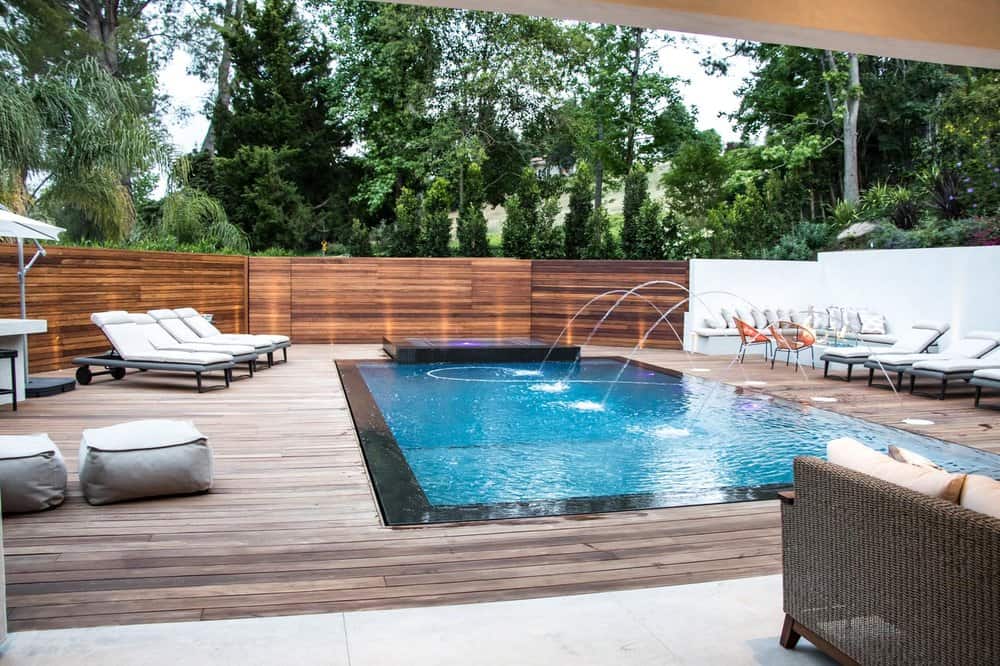
Finding the right design-build company in Orange County shouldn’t feel risky. The safest route is to choose a firm that unifies architecture, interior design, and construction with transparent pricing, predictable scheduling, and a documented process from concept through completion. This guide outlines how to evaluate local design-build partners, what to ask, and how to compare quotes apples-to-apples—so you can move forward confidently. As a premier, full-service design-build firm, OC Builders Group delivers turnkey residential remodeling and new construction with rapid, detailed proposals and a consultative, low-stress client experience. If you’re seeking a luxury transformation with one accountable partner, this is your roadmap.
Benefits of Hiring a Design‑Build Company in Orange County
Design-build streamlines your project by placing one accountable team in charge of both plans and construction, reducing miscommunication and accelerating decisions. Homeowners benefit from faster delivery, fewer change orders, and real-time pricing checks during design—so your budget stays on track without sacrificing quality, as noted in this overview of the benefits of design-build delivery (Builderwell). Design-build is a project delivery system where a single company manages both the architectural design and construction, streamlining accountability and efficiency for the client.
A unified process also cuts out finger-pointing between separate architects and contractors, enabling cohesive design intent from day one and helping approvals move smoothly with local jurisdictions. For high-end work, integrated estimating and constructability reviews early in design unlock better materials and detailing within a defined budget.
Comparison: Design‑Build vs. Traditional (Design‑Bid‑Build)
| Aspect | Design‑Build | Traditional (Design‑Bid‑Build) |
|---|---|---|
| Process | One contract; design and construction integrated | Separate contracts; design completed before bidding |
| Communication flow | Single point of responsibility | Multiple parties; potential gaps and delays |
| Cost certainty | Real-time pricing during design; fewer change orders | Pricing set after design; changes can cascade costs |
| Schedule speed | Overlapping phases shorten timelines | Sequential phases extend timelines |
| Risk allocation | Centralized; firm owns design and build outcomes | Fragmented; responsibility split across parties |
For homeowners in Orange County, these advantages translate to smoother permitting, quicker mobilization, and a higher likelihood of meeting target budgets and timelines.
Steps to Choose the Right Design‑Build Firm
Minimize risk by following a clear, staged approach: shortlist local firms with relevant portfolios, verify credentials and safety, validate specialization, meet the actual team you’ll work with, check references and job sites, confirm financial stability, review contract clarity, and screen for red flags. Look for transparent communication systems and local experience with Orange County permitting and inspections to keep your project moving smoothly.
Quick selection checklist:
- Align on scope, style, and budget targets
- Shortlist 3–4 local design-build firms with matching portfolios
- Verify license, insurance, and safety record (EMR)
- Confirm specialization and review similar case studies
- Meet your designer, PM, and superintendent
- Check references; visit completed or active job sites
- Assess financial stability and operational capacity
- Review contract terms, change-order policy, and warranties
- Identify and avoid red flags before you sign
Research and Shortlist Local Companies
Start with portfolios that match your scope—ADUs, kitchen and bath remodels, whole-home renovations, additions, or ground-up builds—and favor firms with projects completed in your city or nearby neighborhoods. Local knowledge of code and permitting can significantly smooth approvals and inspections, so ask specifically about a firm’s experience navigating Orange County’s permit processes and building codes (True Home Builders guide on choosing a home builder). As you search, include terms like custom home builder Orange County, remodeling contractor Orange County, and local design-build firms to surface the most relevant candidates. Explore OC Builders Group’s portfolio and service areas for a sense of local fit and capabilities.
- Explore: OC Builders Group full-home remodeling in Orange County
- Explore: ADU contractor in Orange County
- Explore: Luxury kitchen remodeling by OC Builders Group
Verify Licensing, Insurance, and Safety Records
Request a copy of the contractor’s active California license and up-to-date proof of general liability and workers’ compensation insurance; this is non-negotiable for risk protection (design-build firm selection best practices). A strong safety profile is also a proxy for professionalism and project reliability—an Experience Modification Rate (EMR) under 1.0 indicates better-than-average safety performance (choosing a design-build contractor guidance). Experience Modification Rate (EMR) is a standard industry rating that measures a construction company’s safety performance compared to industry averages, with scores under 1.0 indicating lower-than-average risk.
Credentials comparison template
| Firm | CA License # | General Liability (coverage) | Workers’ Comp | EMR | Notes |
|---|---|---|---|---|---|
| Firm A | |||||
| Firm B | |||||
| Firm C |
Assess Experience and Project Specialization
Ask how many projects like yours the firm has completed in the last 24–36 months and request concise case studies with before-and-after photos. Specialization matters: confirm whether the firm excels in new construction, remodeling, historic work, or modern architectural styles, and look for evidence via testimonials, published projects, or awards (considerations for choosing the right design-build partner).
Meet the Design and Construction Team
Meet the key people assigned to your project—the lead designer or architect, project manager, and field superintendent. Discuss collaboration style, decision cadence, and how you’ll receive updates (e.g., weekly site meetings plus a client dashboard), reflecting best practices for selecting a design-build partner. Ask whether design and construction are fully in-house; a unified team reduces the common friction between independent architects and contractors and helps avoid scope gaps (insights on unified teams reducing finger-pointing).
Check References and Visit Job Sites
Speak directly with recent clients about schedule adherence, budget performance, issue resolution, and communication quality (how to choose a design-build contractor). When possible, visit an active job site to observe safety, organization, and craftsmanship, and tour a completed project to assess finish quality and detail consistency.
Sample reference questions:
- Did the team meet the promised schedule and budget? If not, why?
- How transparent were price updates and change orders?
- How responsive was the project manager week to week?
- Would you hire this firm again for a similar scope?
Evaluate Financial and Operational Stability
Ask about bonding capacity, years in business, and whether the firm self-performs critical trades or relies exclusively on subcontractors—each model has trade-offs, but stability and oversight are key (bonding capacity as a stability indicator). Bonding capacity is the maximum amount of work a contractor can guarantee and insure, indicating financial strength and ability to finish large contracts. Memberships in groups like NAHB or AIA and established supplier relationships are additional credibility signals.
Review Contract Details and Deliverables
Your contract is your best protection. It should clearly define the scope of services, detailed specifications, payment schedule, milestone dates, dispute resolution steps, warranties, and a closeout package that includes as-builts and product manuals (contract clarity guidance). Ensure there’s a written change-order policy specifying approval workflows, pricing methods, and schedule impacts.
Contract review checklist:
- Detailed scope with drawings/specs and finish schedules
- Itemized allowances and explicit exclusions
- Milestones, substantial completion date, and update cadence
- Payment schedule tied to progress, not vague dates
- Permitting responsibilities and fees
- Change-order policy with pricing method and approval steps
- Insurance, indemnification, and warranty terms
- Final inspections, punch list, and closeout documentation
Identify Red Flags to Avoid
Treat these as stop signs: no verifiable, completed design-build projects; high-pressure sales before design is defined; vague scopes or missing exclusions; inability to explain project management systems or provide transparent updates (Los Angeles–area checklist for choosing a design-build firm). Also beware of firms that lack centralized data, real-time estimating, and single-point project management—these gaps often lead to cost overruns and communication breakdowns (best-practice guidance on centralized client communication).
Warning signs:
- Unwilling to share license, insurance, or EMR
- Inconsistent references or no site visits allowed
- “Too good to be true” lump-sum pricing with few details
- Large upfront deposits beyond legal limits
- No clear schedule, update cadence, or change-order process
How to Get Accurate Quotes from Design‑Build Contractors in Orange County
Start by preparing a clear scope: room list, square footage, structural changes, and a finish level guide (e.g., appliance brands, fixture lines, flooring types). Ask each firm for itemized estimates, timeline assumptions, and a list of allowances and exclusions so you can compare proposals line by line. The most reliable budgets come from firms that provide real-time cost feedback during design, which improves budget control and reduces surprises later (guidance on real-time estimating during design).
Side-by-side proposal comparison template
| Criteria | Firm A | Firm B | Firm C |
|---|---|---|---|
| Scope summary (rooms, SF, structural) | |||
| Assumptions and allowances | |||
| Exclusions | |||
| Finish level (brands/lines) | |||
| Design + permit timeline | |||
| Construction duration | |||
| Payment schedule | |||
| Warranty terms | |||
| Change-order pricing method |
OC Builders Group provides rapid, detailed proposals and clear allowances to help clients choose with confidence.
Who Handles Both Design and Construction in Orange County
Fully integrated design-build firms—like OC Builders Group—house architecture, interior design, project management, and construction under one roof, coordinating every phase through a single accountable team (overview of integrated design-build). This integration reduces costly coordination errors, speeds decisions for busy homeowners, and keeps budgets aligned through continuous pricing checks. Related phrases you may see include integrated design and build, one-stop remodel contractor, and full-service remodeler.
- Learn more: OC Builders Group process and story
Custom Design‑Build Services Available in Orange County
A modern design-build company should cover the full spectrum of luxury residential projects: kitchen and bath remodels, whole-home renovations, additions, ADUs, garage conversions, and ground-up custom homes. Robust preconstruction—programming, budgeting, and constructability reviews—helps optimize plans before you build, while value engineering and lean construction practices elevate quality and reduce waste on complex, high-end work (guide to design-build benefits and preconstruction value). Ask about Virtual Design & Construction (VDC), client dashboards, and offsite fabrication capabilities; mature teams leverage VDC to coordinate trades and improve installation quality, as seen across Southern California leaders emphasizing technology-driven delivery (Virtual Design & Construction in Southern California).
- Explore: OC Builders Group ADUs and space conversions
- Explore: OC Builders Group kitchen remodeling
Frequently Asked Questions
How Can I Verify a Design‑Build Contractor’s License and Insurance?
Ask for copies of their license, general liability, and workers’ compensation certificates, and confirm license status through California’s Contractors State License Board.
What Qualifications Should I Look for in a Design‑Build Firm?
Prioritize local experience, specialization in your project type, strong references, and transparent processes.
How Do Design‑Build Firms Control Costs and Avoid Surprises?
They price in real time during design, define allowances and exclusions upfront, and use a clear change-order policy to manage scope shifts.
What Are the Typical Project Timelines for Design‑Build in Orange County?
Timelines vary by scope, but design-build is typically faster than traditional delivery because design and construction phases can overlap.
How Does Permitting and Compliance Work with Design‑Build Projects?
Your design-build firm should manage plan preparation, permit submissions, agency coordination, and inspections as part of a turnkey service.