
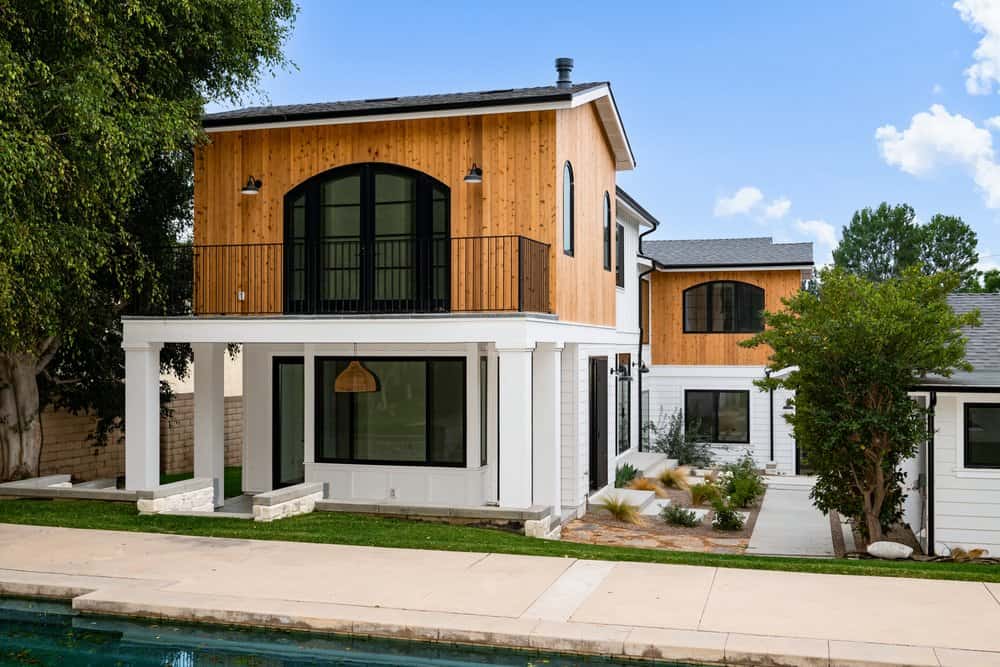
Building an ADU is a significant investment with real financial upside—done right, it can elevate lifestyle flexibility and long-term property value. But success hinges on hiring the right ADU contractor in Orange County, one who knows local codes, manages permitting and budgets, and delivers premium craftsmanship without surprises. Use the seven questions below as a practical checklist to vet candidates and avoid common pitfalls. Whether you’re planning a detached guest house or a high-end garage conversion, the goal is the same: an ADU builder who brings clarity to Orange County ADU regulations, controls project costs with transparent bids, and finishes on schedule with a smooth, concierge-style process.
OC Builders Group: Your Premier ADU Design-Build Partner
OC Builders Group is a full-service design-build firm specializing in high-end ADUs across Orange County’s luxury neighborhoods. Our integrated model—combining in-house architects, vetted subcontractors, and a dedicated project manager—gives you one accountable team and a single point of contact from concept through keys. Design-build means one contract covers both design and construction, streamlining decisions, accountability, and timeline.
We excel in complex projects, from detached ADUs to sophisticated garage conversions, backed by transparent, line-item pricing and proactive communication. Explore our approach in our guide to choosing an ADU contractor in Orange County: OC Builders Group’s selection framework, and see how we deliver detached ADUs with precision in detached ADU builders in Orange County.
What Is Your Experience with ADU Projects in Orange County?
An ADU—Accessory Dwelling Unit—is a self-contained home on the same lot as the primary residence. In practice, that means your contractor must navigate site constraints, utility tie-ins, and city-specific rules. Ask for a portfolio of Orange County ADUs (not just general remodels) and confirm city familiarity—Newport Beach, Irvine, Costa Mesa, and more. Experienced ADU specialists help you avoid permitting delays and maximize value through deep knowledge of California and local rules.
What to ask vs. red flags:
| What to ask about ADU experience | Red flags to watch for |
|---|---|
| How many ADUs have you completed in Orange County in the last 24 months? Which cities? | Vague totals; portfolio mostly outside OC or few true ADUs |
| Types delivered (detached, attached, garage conversion)? Typical setbacks, height, and utility strategies? | “We can do anything” without local specifics or example solutions |
| Average time from plan submittal to permit issuance in target city | Expecting you to “pull your own permits” or unclear permitting plan |
| CSLB license class, liability and workers’ comp insurance | Expired, mismatched, or unverifiable coverage |
| Examples of challenges solved (soil, easements, service upgrades) | “We’ll figure it out later” without process detail |
Can You Provide References from Previous ADU Clients?
Recent, local references are the best predictor of outcome. Request two to three ADU or garage-conversion clients from the past year, and ask for before-and-after photos with scope and budget context. Validate public reputation using third-party review platforms – services like BuildZoom assess contractors by permits, volume, and client feedback.
What to ask references vs. what a strong review includes:
| Questions to ask references | What a positive review should include |
|---|---|
| How consistent was communication and responsiveness? | Weekly updates, rapid responses, clear point of contact |
| Did the team meet milestones and the promised completion window? | Substantial adherence to schedule; realistic contingency handling |
| How accurate was the budget? How were change orders handled? | Transparent, pre-approved change orders; minimal surprises |
| Was the jobsite clean and respectful of your property? | Daily cleanup; limited disruption to neighbors |
| Did inspections pass on first attempt? | Smooth inspections; quick resolution of comments |
| How was post-completion support? | Punch list handled quickly; warranty honored without hassle |
What Does Your Pricing Structure Include and How Transparent Is It?
Insist on a detailed, written bid that itemizes each phase—feasibility, design, engineering, permitting, construction, finishes, and utility upgrades. A detailed quote breaks down site prep, labor, materials, fixtures, and allowances so you can see true cost drivers and compare apples to apples. Expect labor to account for roughly 40% of ADU project costs, with licensed specialists (architects, electricians, plumbers) adding another 20–30%, according to Angi’s ADU cost guide.
Standard inclusions vs. potential hidden costs:
| Standard inclusions in a quality bid | Potential hidden costs to clarify |
|---|---|
| Feasibility study and zoning check | Utility capacity fees; main panel upgrades |
| Architectural design, structural engineering, Title 24 | Sewer lateral repair or new cleanout |
| Plan check coordination and permit fees | Grading, drainage, or soils reports if required |
| Site prep, foundation, framing, roofing | Tree removal, asbestos or lead abatement |
| Rough plumbing, electrical, HVAC | Expediting fees, after-hours work, HOA reviews |
| Insulation, drywall, windows/doors, exterior finishes | Landscape, fencing, driveway or hardscape restoration |
| Interior finishes with realistic allowances | Fixture/finish upgrades beyond allowances |
| Inspections, cleanup, and punch list | Addressing fees, surveys, unexpected easement work |
| Written workmanship and manufacturer warranties | Design revisions beyond included cycles |
How Do You Manage Project Timelines and Scheduling?
Ask for a sample schedule, average durations by phase, and how the team sequences trades to minimize downtime. A project timeline outlines the planned duration and order of design, permitting, construction, and inspections. Prefab ADUs can move quickly—often 12–24 weeks—while custom builds typically extend several months depending on scope and city processing
Sample ADU timeline (typical custom project):
- Consultation and feasibility: 1–3 weeks
- Design and engineering: 4–8 weeks
- Permitting and plan check: 6–12 weeks (city dependent)
- Site prep and foundation: 2–4 weeks
- Framing and rough MEP trades: 4–8 weeks
- Insulation, drywall, exterior finishes: 3–5 weeks
- Interior finishes and fixtures: 4–6 weeks
- Final inspections and punch list: 1–3 weeks
Total: approximately 4–8 months, depending on complexity and jurisdiction.
What Is Your Process for Navigating Permits and Local Approvals?
Local knowledge is everything. Ask if the contractor manages all permits and coordinates directly with your city’s building and planning departments. The permitting process involves preparing code-compliant plans, submitting to the city, addressing plan check comments, and securing approvals before and during construction.
Typical Orange County permit steps and documents:
- Pre-application zoning/feasibility review
- Complete submittal: site plan, floor plans, elevations, structural calculations, Title 24 energy documents, utility load calculations, and drainage/grading plans if required
- Plan check cycles and corrections
- Permit issuance and inspections: foundation, rough trades, insulation, finals
- Final approval and certificate of occupancy
A strong ADU contractor’s team will also advise on parking exemptions, height and setback standards, and utility connection requirements under current California and local rules.
Do You Work with a Reliable Team of Subcontractors?
High-performing ADU builders coordinate a tight roster of licensed, insured specialists, aligning schedules and quality control across trades—an approach that speeds delivery and reduces errors, which aligns with the cost and scope guidance in Angi’s ADU cost analysis. Verify who will be onsite, their license numbers, how long they’ve worked together, and how the contractor supervises daily work.
Key subcontractors involved in ADU projects:
- Surveyor and, if needed, geotechnical engineer
- Concrete and foundation crew
- Framing and roofing teams
- Licensed plumber, electrician, and HVAC contractor
- Insulation, drywall, and stucco/exterior finish specialists
- Window/door installers and finish carpenters
- Tile setters, painters, and flooring installers
- Low-voltage and smart home integrators
- Landscape and hardscape crews (if included)
What Warranties and Post-Construction Support Do You Offer?
A warranty is a written promise to correct defects in workmanship or materials within a set period after completion. Clarify coverage terms, response times, and how warranty requests are handled. Top contractors present workmanship warranties in writing and remain responsive after final inspection. Ask for sample warranty documents and a post-completion service plan.
Frequently Asked Questions
How Can I Verify a Contractor’s License, Insurance, and ADU Experience?
You can check a contractor’s license and insurance status with the California Contractors State License Board and ask for proof of recent ADU experience in Orange County, including references from past clients.
What Should I Expect in a Detailed ADU Project Proposal?
A thorough proposal will break down costs for design, permits, labor, materials, and timelines, along with clear inclusions and exclusions so you understand exactly what is covered.
How Long Does the Typical ADU Project Take from Start to Finish?
Most ADU projects in Orange County take between four to eight months from initial planning and permitting through construction and final inspection, depending on scope and customization.
How Are Payments Structured to Protect the Homeowner?
Reputable contractors use clear payment schedules tied to project milestones, never requiring large upfront payments and offering protections like retainage until final completion.
What Happens If There Are Issues After the ADU Is Completed?
After your ADU is finished, a reliable contractor provides a written warranty and responsive support, addressing workmanship or material issues that may arise post-construction.